










Ad Space
1 / 10 Questions
0 Points

Which vegetable was once considered poisonous by Europeans?

Potatoes

Tomatoes

Carrots

Onions

Points won
0
Correct score
0%
Ad Space

More Questions

More Articles

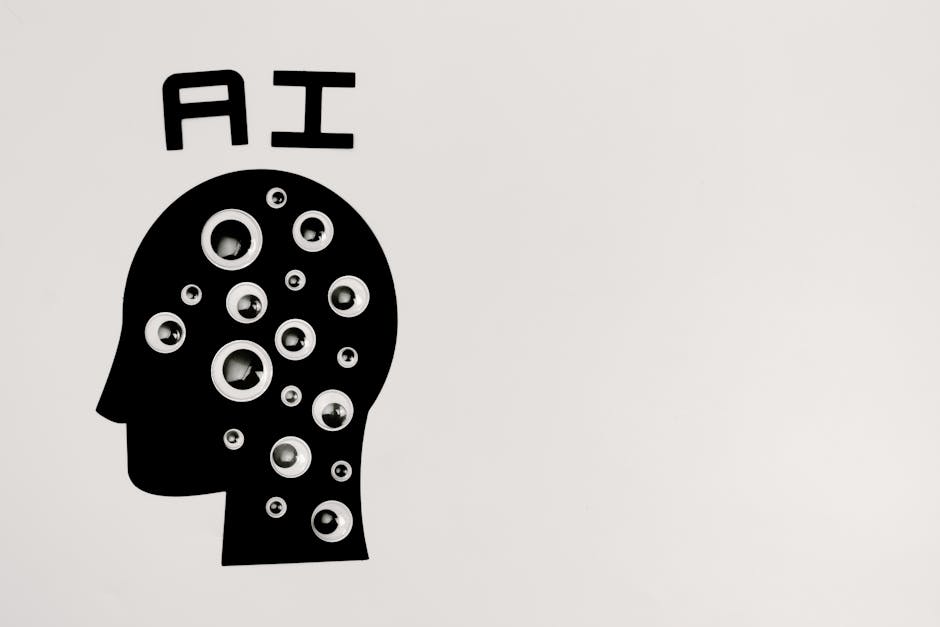
What Artificial Intelligence Is Learning About Humans

What Artificial Intelligence Is Learning About Humans

⏱️ 5 min read

What Artificial Intelligence Is Learning About Humans

As artificial intelligence systems become increasingly sophisticated, they are not only transforming how humans interact with technology but also revealing profound insights about human nature itself. Through analyzing vast datasets and patterns in human behavior, AI is uncovering fundamental truths about cognition, decision-making, communication, and social dynamics that have long puzzled researchers across multiple disciplines.

Understanding Human Language and Communication

One of the most significant areas where AI has made remarkable progress is in understanding human language. Large language models have learned that human communication extends far beyond literal meanings of words. Through processing billions of text samples, AI systems have discovered that humans rely heavily on context, implication, and shared cultural knowledge to convey meaning.

These systems have revealed that human language is remarkably ambiguous and context-dependent. The same phrase can carry entirely different meanings depending on tone, timing, and social setting. AI has learned to recognize sarcasm, humor, and emotional undertones, demonstrating that human communication operates on multiple simultaneous levels. This discovery has reinforced linguistic theories about pragmatics and shown that successful communication depends more on understanding intent than parsing grammatical structures.

Emotional Intelligence and Sentiment Analysis

Through sentiment analysis and emotion recognition systems, AI has gained insights into how humans express and process emotions. Machine learning algorithms trained on facial expressions, voice patterns, and written text have learned that human emotional states are complex and often contradictory. People frequently express mixed emotions simultaneously, and cultural backgrounds significantly influence how emotions are displayed and interpreted.

AI systems have also discovered that humans often mask their true emotional states, particularly in professional or social contexts. This has led to more nuanced emotion detection systems that can identify microexpressions and subtle indicators that reveal underlying feelings beneath surface-level presentations.

Decision-Making Patterns and Cognitive Biases

AI systems analyzing human decision-making have uncovered extensive evidence of cognitive biases that influence choices across all domains of life. Through examining millions of decisions in areas ranging from financial investments to medical diagnoses, machine learning algorithms have identified consistent patterns of irrational behavior.

Common Biases Identified by AI

  • Confirmation bias: humans preferentially seek information that supports existing beliefs
  • Recency bias: overweighting recent events when making predictions about the future
  • Anchoring effect: relying too heavily on the first piece of information encountered
  • Loss aversion: the tendency to prefer avoiding losses over acquiring equivalent gains
  • Availability heuristic: overestimating the likelihood of events that are easily recalled

These discoveries have validated decades of psychological research while providing quantitative measurements of how these biases manifest in real-world scenarios. Interestingly, AI systems themselves can inherit these biases when trained on human-generated data, highlighting how deeply embedded these patterns are in human behavior.

Social Behavior and Network Dynamics

Analysis of social media interactions and online behavior has taught AI systems considerable amounts about human social dynamics. Machine learning algorithms have identified that humans naturally form clusters based on shared interests, beliefs, and values. These systems have learned that social networks exhibit predictable patterns of information spread, influence, and group formation.

AI has discovered that humans are highly susceptible to social proof and conformity. People tend to adopt opinions and behaviors that are popular within their social circles, even when these contradict their individual preferences or rational analysis. This insight has significant implications for understanding phenomena ranging from viral marketing to political polarization.

Trust and Credibility Assessment

Through analyzing how humans evaluate information sources, AI has learned that credibility judgments are often based on superficial factors rather than content quality. Humans tend to trust information that aligns with their existing worldview, comes from perceived authorities, or is presented with confidence, regardless of factual accuracy. This has led to concerns about misinformation and the development of AI systems designed to help humans identify reliable sources.

Creativity and Problem-Solving Approaches

AI systems trained on human creative output have revealed interesting patterns in how humans approach innovation and problem-solving. Machine learning analysis shows that human creativity often involves recombining existing concepts in novel ways rather than generating entirely original ideas. This challenges romantic notions of creative genius while highlighting the importance of broad knowledge and cross-domain thinking.

Furthermore, AI has learned that humans excel at intuitive leaps and pattern recognition in ambiguous situations where formal logic proves inadequate. This complementary strength has led to increased interest in human-AI collaborative systems that leverage the distinct capabilities of both.

Learning and Knowledge Acquisition

Educational AI systems have provided insights into how humans learn most effectively. Analysis of student interactions with adaptive learning platforms has revealed that humans benefit from personalized pacing, immediate feedback, and information presented in multiple modalities. AI has confirmed that spacing learning over time produces better retention than cramming, and that testing serves as a powerful learning tool rather than merely an assessment method.

These systems have also discovered significant individual variation in learning styles and optimal difficulty levels, supporting the value of personalized educational approaches over one-size-fits-all instruction.

Implications and Future Directions

The insights AI is gaining about human nature have profound implications across multiple domains. In healthcare, understanding human behavior patterns enables better treatment adherence strategies. In education, knowledge of learning processes informs more effective teaching methods. In business, insights into decision-making improve product design and marketing approaches.

As AI systems continue to analyze human behavior at unprecedented scales, they will likely uncover additional patterns and principles governing human nature. This knowledge creates both opportunities and responsibilities, requiring careful consideration of privacy, autonomy, and the ethical use of behavioral insights. The ongoing dialogue between AI discoveries and human self-understanding promises to deepen our comprehension of what makes us distinctly human while revealing universal patterns that connect us all.

The Hidden Impact of News Framing on Public Opinion

The Hidden Impact of News Framing on Public Opinion

⏱️ 5 min read

The Hidden Impact of News Framing on Public Opinion

Every day, millions of people consume news from various sources, believing they are receiving objective information about world events. However, beneath the surface of factual reporting lies a powerful psychological mechanism that shapes how audiences interpret and understand the news: framing. The way journalists, editors, and media organizations choose to present information—what they emphasize, what they omit, and which words they select—exerts a profound influence on public opinion that often goes unnoticed by news consumers.

Understanding News Framing

News framing refers to the process by which media outlets select certain aspects of a perceived reality and make them more salient in communication, thereby promoting a particular interpretation or evaluation of an issue. Unlike outright bias or misinformation, framing operates through subtle choices in presentation that can dramatically alter how audiences perceive the same set of facts.

Frames function as organizing principles that give meaning to events and suggest what the controversy is really about. They work by highlighting certain elements while downplaying others, creating a lens through which the public views complex issues. This process is not necessarily intentional manipulation; often, it emerges from journalistic conventions, organizational pressures, and the inherent need to make stories coherent and engaging.

Types of News Frames

Media scholars have identified several common framing strategies that regularly appear in news coverage:

Episodic versus Thematic Framing

Episodic framing presents issues as isolated incidents, focusing on specific events or individual cases. For example, covering homelessness by profiling one homeless person on the street exemplifies episodic framing. In contrast, thematic framing places issues within broader contexts, examining underlying causes and systemic factors. A thematic approach to homelessness might explore housing policy, economic inequality, and mental health systems.

Research demonstrates that episodic framing tends to encourage audiences to attribute responsibility to individuals, while thematic framing promotes consideration of societal and governmental responsibility. This distinction has significant implications for public support of policy solutions.

Conflict Framing

Conflict framing emphasizes disagreement between parties, portraying issues as battles between opposing sides. Political coverage frequently employs this frame, focusing on who is winning or losing rather than substantive policy details. While conflict frames can increase audience engagement, they may also contribute to polarization and cynicism about political processes.

Human Interest Framing

This approach personalizes news stories by focusing on individual experiences and emotional responses. Human interest frames make abstract issues more relatable but can also oversimplify complex problems and distract from systemic analysis.

The Psychological Mechanisms Behind Framing Effects

The power of news framing stems from fundamental aspects of human cognition. People do not process information in a vacuum; they rely on mental shortcuts and existing cognitive structures to make sense of new information. Frames activate specific schemas—organized patterns of thought—that influence how audiences interpret subsequent information.

Additionally, the accessibility principle plays a crucial role. Information that is more easily retrieved from memory has greater influence on judgments and decisions. By repeatedly emphasizing certain aspects of an issue, news frames make particular considerations more cognitively accessible, thereby increasing their weight in public opinion formation.

Real-World Consequences of News Framing

The effects of news framing extend far beyond individual opinions, shaping policy debates and democratic outcomes in measurable ways.

Immigration and National Security

Studies examining immigration coverage reveal dramatic framing differences. When immigration is framed primarily as a security threat or economic burden, public support for restrictive policies increases. Conversely, frames emphasizing humanitarian concerns, family unity, or economic contributions correlate with more welcoming attitudes. The same factual information about immigration levels produces different public responses depending on framing.

Climate Change Communication

Climate change reporting demonstrates how framing influences both risk perception and policy preferences. Scientific uncertainty frames can create false equivalence between consensus science and fringe positions, reducing public concern. Economic frames that emphasize costs of action versus costs of inaction significantly affect support for climate policies. Catastrophic versus pragmatic frames alter both emotional responses and behavioral intentions.

Healthcare Policy Debates

Healthcare reform discussions showcase how alternative frames shape policy preferences. Framing healthcare as a right versus a commodity, or emphasizing individual responsibility versus collective obligation, produces measurably different attitudes toward various policy approaches, even when the specific policy details remain constant.

The Challenge of Awareness and Media Literacy

One particularly concerning aspect of framing effects is their resistance to correction. Even when people become aware that information has been framed in a particular way, the framing often continues to influence their thinking. This persistence occurs because frames shape how information is encoded in memory, not merely how it is evaluated upon reception.

Nevertheless, media literacy education that specifically addresses framing can help audiences become more critical consumers of news. Understanding common framing strategies enables people to recognize when particular interpretations are being promoted and to actively seek alternative perspectives.

Implications for Democratic Society

The hidden impact of news framing raises important questions about media responsibility and democratic deliberation. In an ideal democracy, citizens would base their opinions on comprehensive, balanced information. However, when framing substantially shapes public opinion, the quality of democratic discourse depends heavily on the diversity and responsibility of media sources.

This reality underscores the importance of media pluralism and the dangers of media concentration. When a small number of organizations control most news outlets, the range of frames available to the public narrows, potentially limiting the scope of democratic debate.

Moving Forward

Recognizing the hidden impact of news framing represents an essential step toward more informed citizenship. While completely neutral presentation may be impossible, awareness of framing effects encourages both media producers and consumers to think critically about how news is packaged and presented. By seeking diverse sources, questioning narrative choices, and developing frame awareness, individuals can become more sophisticated news consumers, better equipped to form independent opinions in an increasingly complex media landscape.