
⏱️ 5 min read
How Food Security Stories Are Reshaping Coverage
The landscape of news coverage is undergoing a significant transformation as food security emerges as one of the most critical global issues of the twenty-first century. Once relegated to agricultural trade publications and development sector newsletters, food security stories are now commanding prime positions in mainstream media outlets worldwide. This shift reflects not only the growing urgency of the issue but also a fundamental change in how journalists, editors, and audiences perceive the interconnectedness of food systems with virtually every aspect of modern life.
The Evolution of Food Security Reporting
Traditional coverage of food-related issues typically focused on isolated events such as famines, crop failures, or food price spikes. However, contemporary food security reporting has evolved into a sophisticated, multi-dimensional approach that examines the complex web of factors influencing access to adequate nutrition. Today’s journalists investigate the intricate relationships between climate change, economic policy, conflict, supply chain disruptions, and agricultural innovation, presenting food security as a lens through which to understand broader societal challenges.
This evolution has been driven by several converging factors. The COVID-19 pandemic exposed vulnerabilities in global food systems, bringing supply chain fragility into sharp focus for general audiences. Climate change has intensified weather-related disruptions to agriculture, making food security a tangible concern even in traditionally food-secure regions. Additionally, geopolitical tensions and conflicts have demonstrated how quickly food can become a weapon or a casualty of international disputes.
Integration Across News Beats
One of the most notable changes in coverage is the integration of food security angles across traditionally separate news beats. Political reporters now routinely examine how government policies affect food access and affordability. Economic journalists analyze inflation through the prism of food prices, recognizing that grocery costs serve as a bellwether for broader economic health and social stability. Environmental correspondents connect ecosystem degradation directly to declining agricultural productivity and nutritional outcomes.
This cross-beat integration has enriched reporting quality and depth. Stories about international relations increasingly incorporate food diplomacy and agricultural trade agreements. Technology sections feature coverage of precision agriculture, vertical farming, and food production innovations. Even business pages have expanded their focus to include the economics of food waste, sustainable agriculture investments, and the financial implications of changing dietary patterns.
Local and Global Perspectives Converging
Food security coverage has successfully bridged the traditional divide between local and international news. Local news organizations are connecting community food banks, urban agriculture initiatives, and regional farming challenges to global trends. Simultaneously, international coverage has become more accessible by illustrating how distant events affect everyday lives.
The emergence of terms like “food deserts” in urban planning discussions and “food sovereignty” in political discourse demonstrates how food security has entered mainstream vocabulary. This linguistic shift enables more nuanced conversations about systemic issues affecting nutrition access, moving beyond simplistic narratives of scarcity to examine structural inequalities and policy failures.
Data-Driven Storytelling and Visual Journalism
Modern food security coverage increasingly leverages sophisticated data analysis and visualization techniques. Journalists now employ interactive maps showing food price variations, infographics illustrating supply chain pathways, and data dashboards tracking harvest forecasts and nutritional deficiency rates. This approach makes complex information more digestible while maintaining analytical rigor.
News organizations are investing in specialized tools and training to report on agricultural data, satellite imagery of crop conditions, and predictive models for food crises. This technical sophistication has elevated the credibility of food security reporting and attracted audiences interested in evidence-based journalism.
Human-Centered Narratives Within Systemic Analysis
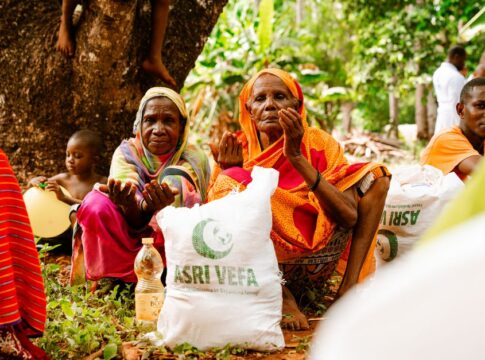
While data and systems analysis have become more prominent, effective food security coverage balances technical complexity with human stories. The most impactful reporting combines statistical evidence with personal narratives that illustrate policy consequences at the individual and community levels. This approach helps audiences understand both the scale of food security challenges and their intimate, personal dimensions.
Journalists are developing expertise in translating agricultural economics, nutrition science, and climate modeling into compelling narratives that resonate with diverse audiences. This skill has proven essential in maintaining public engagement with what might otherwise seem like abstract or distant problems.
Solutions Journalism and Accountability
Another significant trend is the rise of solutions-oriented food security coverage. Rather than focusing exclusively on problems, journalists are investigating innovative approaches, successful interventions, and scalable models for improving food access. This includes coverage of:
- Community-supported agriculture programs connecting consumers directly with local farmers
- Technology applications improving smallholder farmer productivity
- Policy innovations reducing food waste in supply chains
- Urban farming initiatives increasing food production in metropolitan areas
- Social safety net programs effectively addressing nutritional needs
This solutions focus has been complemented by more rigorous accountability journalism examining government responses to food crises, corporate practices affecting food systems, and international aid effectiveness. Investigative pieces increasingly scrutinize agricultural subsidies, trade policies, and the environmental impact of industrial food production.
Impact on News Priorities and Resource Allocation
The prominence of food security in news coverage has prompted organizations to restructure their editorial priorities and resource allocation. Major outlets have created dedicated food security beats, hired specialized correspondents, and established partnerships with agricultural research institutions. This institutional commitment signals recognition that food security is not a temporary concern but a permanent fixture of the news landscape.
News organizations are also expanding their coverage timeframes, providing sustained attention to long-developing stories rather than episodic crisis reporting. This shift enables audiences to understand food security as an ongoing challenge requiring persistent attention and systemic solutions.
Conclusion
The transformation of food security coverage represents a maturation of journalism’s role in addressing complex global challenges. By integrating this issue across news beats, employing sophisticated analytical tools, and maintaining sustained focus, news organizations are helping audiences understand one of the defining issues of our time. As climate change intensifies, populations grow, and geopolitical tensions persist, food security reporting will likely continue expanding, further reshaping how media organizations cover interconnected global challenges. This evolution ultimately serves the fundamental journalistic mission of providing citizens with information essential for understanding and navigating an increasingly complex world.