










1 / 10 Questions
0 Points

What is the largest island in the world?

New Guinea

Madagascar

Greenland

Borneo

Points won
0
Correct score
0%

More Questions

More Articles

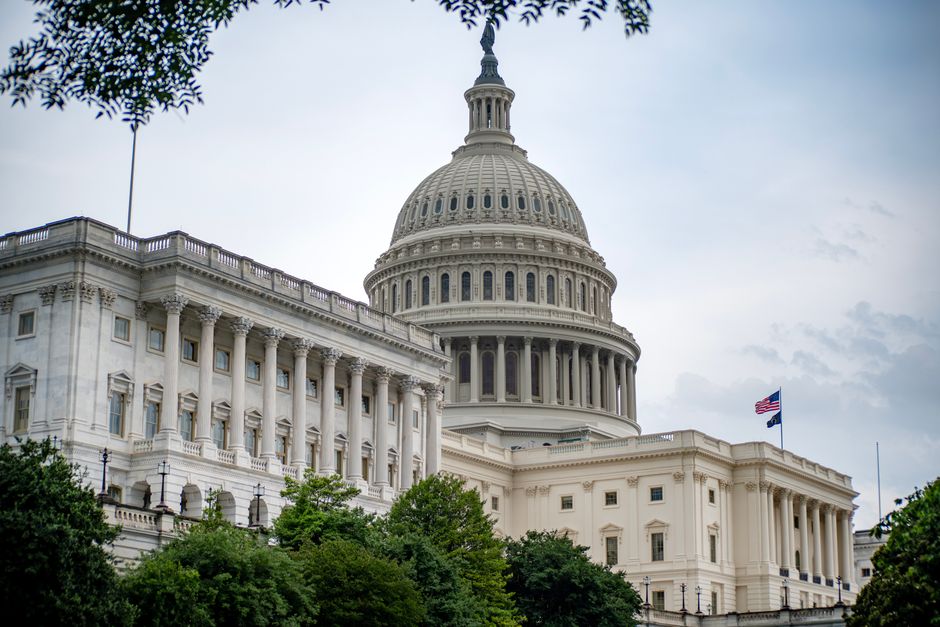
Top 10 Senators Leading Bipartisan Coalitions

Top 10 Senators Leading Bipartisan Coalitions

⏱️ 5 min read

Top 10 Senators Leading Bipartisan Coalitions

In an era of heightened political polarization, certain United States Senators have distinguished themselves by building bridges across party lines and forging bipartisan coalitions to advance important legislation. These lawmakers demonstrate that effective governance requires compromise, collaboration, and a willingness to work with colleagues from opposing parties. This article examines ten senators who have consistently championed bipartisan efforts, showcasing their leadership in creating coalitions that transcend partisan divides to address critical national issues.

1. Susan Collins (R-Maine)

Senator Susan Collins has built a reputation as one of the Senate's most reliably bipartisan voices. With decades of experience, Collins has participated in numerous cross-party coalitions, including the infrastructure negotiations and COVID-19 relief efforts. Her moderate stance and willingness to break from party leadership on key votes have made her an essential figure in bipartisan dealmaking. Collins has consistently emphasized the importance of finding common ground, particularly on issues affecting working families and healthcare access.

2. Joe Manchin (D-West Virginia)

Senator Joe Manchin has emerged as a pivotal centrist voice in the closely divided Senate. Representing a conservative-leaning state, Manchin has frequently worked across the aisle on energy policy, fiscal responsibility, and infrastructure development. His role in bipartisan coalitions has been particularly significant in recent years, as his vote has often been crucial for both advancing and blocking major legislation. Manchin has championed pragmatic solutions that balance progressive goals with fiscal conservatism.

3. Mitt Romney (R-Utah)

Senator Mitt Romney brings a unique perspective to bipartisan coalition building, drawing on his experience as a former governor and presidential candidate. Romney has worked with Democrats on various initiatives, including voting rights discussions, climate change policy, and family assistance programs. His willingness to publicly critique his own party when he believes principle requires it has established him as an independent voice committed to institutional integrity and cross-party collaboration.

4. Kyrsten Sinema (I-Arizona)

Senator Kyrsten Sinema, who recently changed her registration from Democrat to Independent, has been a consistent advocate for bipartisan problem-solving. She played a crucial role in negotiating major bipartisan legislation, including infrastructure investment and border security measures. Sinema has emphasized the importance of listening to diverse viewpoints and has frequently convened senators from both parties to find workable compromises on contentious issues.

5. Lindsey Graham (R-South Carolina)

Senator Lindsey Graham has demonstrated a capacity for bipartisan coalition building, particularly on immigration reform, national security, and foreign policy matters. Throughout his Senate career, Graham has forged working relationships with Democratic colleagues to advance legislation addressing military readiness, veterans' benefits, and judicial nominations. His ability to navigate between party loyalty and pragmatic cooperation has made him an influential voice in shaping bipartisan consensus.

6. Jon Tester (D-Montana)

Senator Jon Tester represents a state that often votes Republican in presidential elections, which has shaped his approach to coalition building. Tester has worked extensively with Republicans on agricultural policy, veterans' affairs, and rural development. His practical, farmer-rooted approach to legislating has earned him respect across party lines, and he has been instrumental in advancing bipartisan veterans' healthcare reforms and banking regulation updates.

7. Lisa Murkowski (R-Alaska)

Senator Lisa Murkowski has established herself as a key coalition builder, particularly on issues affecting indigenous communities, energy policy, and environmental protection. Her independent streak and willingness to prioritize Alaska's interests over party politics have enabled her to work effectively with Democrats on infrastructure projects, public lands management, and natural resource development. Murkowski's moderate positioning has made her essential to bipartisan negotiations on numerous occasions.

8. Mark Warner (D-Virginia)

Senator Mark Warner has leveraged his background in business and technology to lead bipartisan efforts on cybersecurity, intelligence matters, and economic policy. Warner co-chairs the Senate Cybersecurity Caucus and has worked extensively with Republicans to address digital infrastructure vulnerabilities and emerging technological challenges. His expertise in these areas has made him a sought-after coalition partner on issues requiring technical understanding and cross-party cooperation.

9. Rob Portman (former R-Ohio)

Though Senator Rob Portman retired in 2023, his legacy as a bipartisan coalition builder continues to influence Senate dynamics. During his tenure, Portman was instrumental in negotiating major bipartisan legislation, including the landmark infrastructure bill. His approach emphasized personal relationships, policy expertise, and persistent negotiation. Portman demonstrated that effective coalition building requires patience, respect for opposing viewpoints, and a commitment to finding common ground on complex issues.

10. Jeanne Shaheen (D-New Hampshire)

Senator Jeanne Shaheen has built bipartisan coalitions on foreign policy, energy efficiency, and small business development. Drawing on her experience as New Hampshire's first female governor, Shaheen has worked with Republicans on sanctions policy, NATO expansion, and women's economic empowerment globally. Her pragmatic approach to legislating and her focus on results over rhetoric have made her an effective coalition builder, particularly on issues that require sustained international engagement and cross-party support.

Conclusion

These ten senators represent diverse political perspectives and geographic constituencies, yet they share a common commitment to bipartisan coalition building. Their leadership demonstrates that despite deep political divisions, productive collaboration remains possible when lawmakers prioritize problem-solving over partisanship. From infrastructure investment to national security, from healthcare to environmental protection, these senators have shown that effective governance requires the ability to work across party lines. Their efforts remind us that the Senate's constitutional role as a deliberative body depends on members willing to engage in good-faith negotiation, build personal relationships across the aisle, and put the nation's interests ahead of partisan advantage. As political polarization continues to challenge American democracy, the coalition-building efforts of these senators provide essential examples of how legislative progress can still be achieved through compromise, mutual respect, and dedication to the common good.

How Intelligence Sharing Shapes Alliance Relationships

How Intelligence Sharing Shapes Alliance Relationships

⏱️ 5 min read

How Intelligence Sharing Shapes Alliance Relationships

Intelligence sharing stands as one of the most critical yet least visible pillars of modern international alliances. While military hardware, economic agreements, and diplomatic protocols receive substantial public attention, the exchange of sensitive information between allied nations fundamentally shapes the nature, depth, and durability of these relationships. This clandestine dimension of international cooperation influences strategic decision-making, resource allocation, and the overall architecture of global security partnerships.

The Foundation of Trust in Alliance Building

Intelligence sharing represents the ultimate expression of trust between nations. When countries exchange classified information about threats, capabilities, and strategic assessments, they expose vulnerabilities and reveal the extent of their knowledge-gathering capabilities. This mutual vulnerability creates a bond that transcends formal treaties and diplomatic agreements. The willingness to share sensitive intelligence signals not merely cooperation but a fundamental alignment of interests and values.

The depth of intelligence cooperation often determines the practical strength of an alliance more accurately than any written agreement. Nations that share comprehensive intelligence develop interoperability in their security institutions, creating interdependencies that make the alliance relationship increasingly indispensable to both parties. This integration extends beyond information exchange to encompass joint analysis, coordinated operations, and shared strategic planning.

Hierarchies and Tiers Within Alliances

Not all alliance partners receive equal access to intelligence, creating informal hierarchies within formal partnership structures. These tiers reflect varying levels of trust, capability, and strategic importance. The Five Eyes partnership between the United States, United Kingdom, Canada, Australia, and New Zealand represents the most integrated intelligence-sharing relationship in history, with near-complete transparency between member states.

Other alliances exhibit more stratified arrangements. NATO, while presenting a unified front, maintains different levels of intelligence access among its members. Founding members with advanced intelligence capabilities typically receive more comprehensive information than newer or smaller members. This creates complex dynamics where formal equality in alliance membership coexists with practical inequality in information access.

Key Factors Determining Intelligence Access Levels:

  • Technical capabilities and contribution to collection efforts
  • Demonstrated security protocols and counterintelligence effectiveness
  • Historical track record of protecting classified information
  • Strategic value and geographic positioning
  • Political stability and reliability of governing institutions

The Currency of Influence

Intelligence functions as a form of currency in international relations, allowing nations with sophisticated collection and analysis capabilities to exercise disproportionate influence within alliance structures. Countries that provide valuable intelligence gain leverage in negotiations, policy debates, and strategic planning processes. This dynamic enables medium-sized powers with advanced intelligence services to punch above their weight in alliance decision-making.

The intelligence relationship also creates dependencies that can constrain policy independence. Nations heavily reliant on allied intelligence for threat assessment and strategic awareness may find their foreign policy options limited by the need to maintain access to this information stream. This dependency can be particularly acute for smaller alliance members who lack indigenous collection capabilities across all intelligence disciplines.

Technology and the Evolution of Intelligence Partnerships

Technological advancement has fundamentally transformed intelligence sharing dynamics. The digital revolution has exponentially increased both the volume of collectable information and the speed at which it can be shared. Satellite communications, encrypted networks, and advanced data fusion systems enable real-time intelligence distribution across allied networks, creating unprecedented operational advantages.

However, technology also introduces new vulnerabilities. Cyber espionage capabilities mean that intelligence-sharing networks themselves become targets for adversaries. The compromise of shared networks can simultaneously damage multiple alliance members, creating collective security challenges that require coordinated responses. This has driven the development of sophisticated cybersecurity protocols and created new areas for alliance cooperation.

Challenges and Complications

Intelligence sharing arrangements face numerous challenges that can strain alliance relationships. Differing legal frameworks regarding privacy, surveillance, and data protection create friction points between partners. European allies, for instance, often operate under more restrictive domestic legal constraints than their American counterparts, complicating information exchange protocols.

Common Complications in Intelligence Partnerships:

  • Concerns about sources and methods exposure
  • Domestic political pressures and oversight requirements
  • Risk of inadvertent disclosure through partner nation channels
  • Disagreements over threat assessment and priority setting
  • Competitive dynamics between intelligence services

The potential for intelligence to be politicized represents another significant challenge. When intelligence assessments diverge or when information is selectively shared to advance particular policy preferences, trust can erode rapidly. The controversy surrounding intelligence about weapons of mass destruction in Iraq demonstrated how intelligence disputes can create lasting damage to alliance cohesion.

Regional Dynamics and Emerging Partnerships

Intelligence cooperation increasingly defines emerging regional security architectures. In the Indo-Pacific, intelligence sharing between the United States, Japan, South Korea, and Australia has intensified in response to perceived threats, creating a web of bilateral and multilateral intelligence relationships. Similarly, European nations have expanded intelligence cooperation outside traditional NATO channels to address terrorism and irregular migration.

These developing intelligence partnerships often precede formal alliance commitments, serving as testing grounds for deeper cooperation. Nations evaluate potential partners through limited intelligence exchanges before committing to more comprehensive security relationships. This incremental approach allows countries to assess reliability and compatibility while managing risks associated with sensitive information sharing.

Conclusion

Intelligence sharing operates as the invisible architecture supporting formal alliance structures. It creates bonds of trust and dependency that often prove more durable than treaties, while simultaneously introducing vulnerabilities and complications that require careful management. As global security challenges grow more complex and interconnected, the role of intelligence cooperation in shaping alliance relationships will only intensify. Understanding these dynamics remains essential for comprehending the true nature of international security partnerships and the subtle power relationships that exist within them. The nations that master the delicate balance between sharing enough intelligence to strengthen alliances while protecting sensitive capabilities and sources will find themselves best positioned to navigate the complex security environment of the twenty-first century.