











1 / 10 Questions
0 Points

What gives flamingos their signature pink hue?

Sunlight exposure

Minerals in the water

A genetic mutation

Carotenoids in their diet

Points won
0
Correct score
0%

More Questions

More Articles

The Hidden Impact of News Framing on Public Opinion

The Hidden Impact of News Framing on Public Opinion

⏱️ 5 min read

The Hidden Impact of News Framing on Public Opinion

Every day, millions of people consume news from various sources, believing they are receiving objective information about world events. However, beneath the surface of factual reporting lies a powerful psychological mechanism that shapes how audiences interpret and understand the news: framing. The way journalists, editors, and media organizations choose to present information—what they emphasize, what they omit, and which words they select—exerts a profound influence on public opinion that often goes unnoticed by news consumers.

Understanding News Framing

News framing refers to the process by which media outlets select certain aspects of a perceived reality and make them more salient in communication, thereby promoting a particular interpretation or evaluation of an issue. Unlike outright bias or misinformation, framing operates through subtle choices in presentation that can dramatically alter how audiences perceive the same set of facts.

Frames function as organizing principles that give meaning to events and suggest what the controversy is really about. They work by highlighting certain elements while downplaying others, creating a lens through which the public views complex issues. This process is not necessarily intentional manipulation; often, it emerges from journalistic conventions, organizational pressures, and the inherent need to make stories coherent and engaging.

Types of News Frames

Media scholars have identified several common framing strategies that regularly appear in news coverage:

Episodic versus Thematic Framing

Episodic framing presents issues as isolated incidents, focusing on specific events or individual cases. For example, covering homelessness by profiling one homeless person on the street exemplifies episodic framing. In contrast, thematic framing places issues within broader contexts, examining underlying causes and systemic factors. A thematic approach to homelessness might explore housing policy, economic inequality, and mental health systems.

Research demonstrates that episodic framing tends to encourage audiences to attribute responsibility to individuals, while thematic framing promotes consideration of societal and governmental responsibility. This distinction has significant implications for public support of policy solutions.

Conflict Framing

Conflict framing emphasizes disagreement between parties, portraying issues as battles between opposing sides. Political coverage frequently employs this frame, focusing on who is winning or losing rather than substantive policy details. While conflict frames can increase audience engagement, they may also contribute to polarization and cynicism about political processes.

Human Interest Framing

This approach personalizes news stories by focusing on individual experiences and emotional responses. Human interest frames make abstract issues more relatable but can also oversimplify complex problems and distract from systemic analysis.

The Psychological Mechanisms Behind Framing Effects

The power of news framing stems from fundamental aspects of human cognition. People do not process information in a vacuum; they rely on mental shortcuts and existing cognitive structures to make sense of new information. Frames activate specific schemas—organized patterns of thought—that influence how audiences interpret subsequent information.

Additionally, the accessibility principle plays a crucial role. Information that is more easily retrieved from memory has greater influence on judgments and decisions. By repeatedly emphasizing certain aspects of an issue, news frames make particular considerations more cognitively accessible, thereby increasing their weight in public opinion formation.

Real-World Consequences of News Framing

The effects of news framing extend far beyond individual opinions, shaping policy debates and democratic outcomes in measurable ways.

Immigration and National Security

Studies examining immigration coverage reveal dramatic framing differences. When immigration is framed primarily as a security threat or economic burden, public support for restrictive policies increases. Conversely, frames emphasizing humanitarian concerns, family unity, or economic contributions correlate with more welcoming attitudes. The same factual information about immigration levels produces different public responses depending on framing.

Climate Change Communication

Climate change reporting demonstrates how framing influences both risk perception and policy preferences. Scientific uncertainty frames can create false equivalence between consensus science and fringe positions, reducing public concern. Economic frames that emphasize costs of action versus costs of inaction significantly affect support for climate policies. Catastrophic versus pragmatic frames alter both emotional responses and behavioral intentions.

Healthcare Policy Debates

Healthcare reform discussions showcase how alternative frames shape policy preferences. Framing healthcare as a right versus a commodity, or emphasizing individual responsibility versus collective obligation, produces measurably different attitudes toward various policy approaches, even when the specific policy details remain constant.

The Challenge of Awareness and Media Literacy

One particularly concerning aspect of framing effects is their resistance to correction. Even when people become aware that information has been framed in a particular way, the framing often continues to influence their thinking. This persistence occurs because frames shape how information is encoded in memory, not merely how it is evaluated upon reception.

Nevertheless, media literacy education that specifically addresses framing can help audiences become more critical consumers of news. Understanding common framing strategies enables people to recognize when particular interpretations are being promoted and to actively seek alternative perspectives.

Implications for Democratic Society

The hidden impact of news framing raises important questions about media responsibility and democratic deliberation. In an ideal democracy, citizens would base their opinions on comprehensive, balanced information. However, when framing substantially shapes public opinion, the quality of democratic discourse depends heavily on the diversity and responsibility of media sources.

This reality underscores the importance of media pluralism and the dangers of media concentration. When a small number of organizations control most news outlets, the range of frames available to the public narrows, potentially limiting the scope of democratic debate.

Moving Forward

Recognizing the hidden impact of news framing represents an essential step toward more informed citizenship. While completely neutral presentation may be impossible, awareness of framing effects encourages both media producers and consumers to think critically about how news is packaged and presented. By seeking diverse sources, questioning narrative choices, and developing frame awareness, individuals can become more sophisticated news consumers, better equipped to form independent opinions in an increasingly complex media landscape.
Why the House Rules Committee Holds Disproportionate Power

Why the House Rules Committee Holds Disproportionate Power

⏱️ 5 min read

Why the House Rules Committee Holds Disproportionate Power

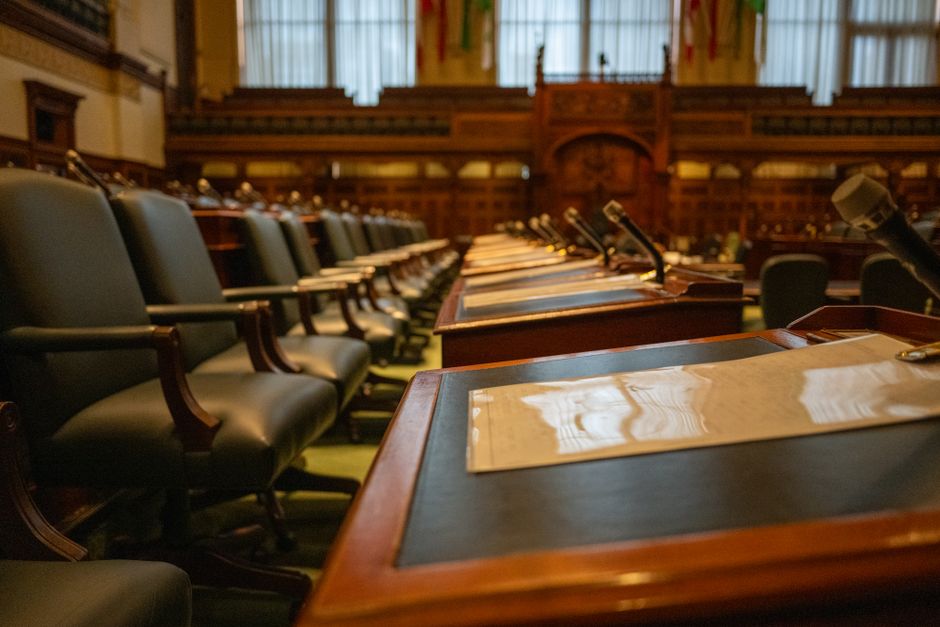
Within the intricate machinery of the United States House of Representatives, few entities wield as much influence over the legislative process as the House Rules Committee. Often described as the "traffic cop" of the House, this committee exercises extraordinary control over which bills reach the floor, how they are debated, and what amendments can be offered. Understanding why this committee holds such disproportionate power requires examining its unique functions, historical evolution, and strategic importance in the modern legislative landscape.

The Gatekeeper Function

The House Rules Committee serves as the final checkpoint before legislation reaches the House floor for debate and voting. Unlike other standing committees that focus on specific policy areas, the Rules Committee's jurisdiction encompasses the very process by which all legislation is considered. This procedural authority translates into substantive power that few other committees can match.

When a bill is reported out of its committee of jurisdiction, it must typically go through the Rules Committee before floor consideration. The Rules Committee determines the "rule" under which the bill will be debated, establishing parameters that profoundly affect the legislation's fate. These parameters include the amount of time allocated for debate, whether amendments can be offered, and which specific amendments are permissible.

Types of Rules and Their Significance

The power of the Rules Committee becomes particularly evident when examining the different types of rules it can issue:

  • Open Rules: Allow any member to offer amendments that comply with House procedures, providing maximum flexibility but potentially lengthy debate
  • Structured Rules: Permit only specific amendments that the Rules Committee has designated as in order
  • Closed Rules: Prohibit all amendments except those offered by the committee that reported the bill
  • Modified Rules: Various hybrid approaches that fall between open and closed rules

By selecting which type of rule to grant, the committee can effectively shape legislative outcomes. A closed rule protects leadership priorities from potentially troublesome amendments, while an open rule might be used strategically when the majority is confident in its position or seeks to demonstrate transparency.

The Speaker's Instrument

The disproportionate power of the Rules Committee is intimately connected to its relationship with the Speaker of the House. Unlike most committees, where members are assigned through a more distributed process, the Rules Committee composition is heavily influenced by the Speaker. The majority party maintains a significant numerical advantage on this committee—typically a nine-to-four ratio—ensuring that the Speaker's legislative priorities receive favorable treatment.

This arrangement effectively makes the Rules Committee an extension of the Speaker's office. Members appointed to the committee are generally loyal to the leadership and can be counted on to advance the majority party's agenda. This close relationship means that when the Rules Committee acts, it often reflects the will of the House leadership rather than functioning as an independent deliberative body.

Historical Evolution of Power

The Rules Committee has not always wielded such concentrated authority. In the early twentieth century, the committee operated with considerable independence, sometimes obstructing the wishes of party leadership. The 1910 revolt against Speaker Joseph Cannon stripped the Speaker of the chairmanship of the Rules Committee, leading to a period where the committee exercised autonomous power, occasionally blocking leadership priorities.

However, reforms in the 1970s and subsequent decades shifted power back toward the Speaker, who gained greater control over Rules Committee appointments. This transformation converted the committee from a potential obstacle to party leadership into one of its most reliable instruments. The modern Rules Committee rarely defies the Speaker, making it a predictable and powerful tool for controlling the legislative agenda.

Strategic Advantages in Legislative Warfare

The Rules Committee's power manifests in several strategic advantages for the majority party:

Agenda Control

By determining which bills receive rules and when, the committee helps the majority party set legislative priorities and timing. Bills that leadership wants to advance receive favorable rules and quick consideration, while less favored legislation can languish without ever receiving a rule.

Amendment Screening

Through structured and closed rules, the committee prevents politically damaging amendments from reaching the floor. This protects members from having to take difficult votes and helps ensure that bills emerge from the House in a form acceptable to leadership.

Minority Limitation

The committee's procedures can significantly limit the minority party's ability to influence legislation. By restricting amendments and debate time, the majority can move its agenda forward with minimal interference from the opposition.

Criticism and Democratic Concerns

The concentration of power in the Rules Committee has generated persistent criticism from both scholars and practitioners. Critics argue that the committee's gatekeeping function undermines democratic deliberation by preventing full consideration of alternative approaches. When closed or highly structured rules predominate, individual members—particularly those in the minority—have limited opportunity to shape legislation or offer constituents' perspectives.

The increasing use of restrictive rules over recent decades has intensified these concerns. Data shows that open rules have become increasingly rare, with the majority of significant legislation now considered under closed or structured rules. This trend has reduced the House's character as a truly deliberative body and concentrated legislative power in the hands of leadership.

Conclusion

The House Rules Committee's disproportionate power stems from its unique procedural jurisdiction, close relationship with the Speaker, and strategic importance in advancing the majority party's agenda. By controlling the terms under which legislation is debated and voted upon, the committee exercises influence that extends far beyond its size or formal authority. While this concentrated power enables efficient advancement of the majority's priorities, it also raises important questions about democratic deliberation and minority rights in the legislative process. Understanding the Rules Committee's role is essential for anyone seeking to comprehend how the modern House of Representatives actually functions versus its idealized image as a forum for open debate and democratic decision-making.