










1 / 10 Questions
0 Points

What is the fastest land animal in the world?

Lion

Greyhound

Cheetah

Pronghorn Antelope

Points won
0
Correct score
0%

More Questions

More Articles

Why the House Ways and Means Committee Controls Tax Policy

Why the House Ways and Means Committee Controls Tax Policy

⏱️ 5 min read

Why the House Ways and Means Committee Controls Tax Policy

The House Committee on Ways and Means stands as one of the most powerful and influential committees in the United States Congress. Its jurisdiction over tax policy is not merely a matter of congressional tradition, but rather stems from constitutional mandate, historical precedent, and the fundamental structure of American government. Understanding why this committee wields such extraordinary control over tax policy requires examining the constitutional foundations, institutional evolution, and practical considerations that have solidified its position at the heart of fiscal policymaking.

Constitutional Origins of Tax Authority

The House Ways and Means Committee's control over tax policy begins with the United States Constitution itself. Article I, Section 7, Clause 1, known as the Origination Clause, explicitly states that "All Bills for raising Revenue shall originate in the House of Representatives." This constitutional provision establishes the House of Representatives as the primary chamber for initiating tax legislation, reflecting the Founders' intention to place the power of taxation in the hands of the legislative body most directly accountable to the people.

The Framers of the Constitution designed this structure deliberately. Members of the House serve two-year terms and represent smaller constituencies than Senators, making them more immediately responsive to public sentiment regarding taxation. This arrangement embodied the revolutionary principle of "no taxation without representation" by ensuring that those who levy taxes face regular electoral accountability. The Ways and Means Committee, as the House's designated vehicle for tax legislation, thus inherits this constitutionally mandated authority.

Historical Development and Institutional Power

Established in 1789 as a temporary committee and made permanent in 1802, the Committee on Ways and Means has evolved into an institutional powerhouse. During much of the 19th century, the committee held even broader authority than it does today, overseeing not only tax policy but also spending measures and banking regulation. Although its jurisdiction was eventually divided, with the creation of the Appropriations Committee in 1865 and the Banking Committee in 1865, Ways and Means retained its primacy over revenue legislation.

This historical continuity has allowed the committee to develop deep expertise, established procedures, and institutional memory regarding tax policy. The committee's longevity and consistent focus have made it the natural repository of knowledge about the tax code's complexities, further cementing its authority in this domain.

Scope of Jurisdiction

The Ways and Means Committee's jurisdiction extends far beyond simple income tax rates. The committee exercises control over a vast array of fiscal and economic policy areas, including:

  • Federal income tax policy for individuals and corporations
  • Customs duties, tariffs, and trade agreements
  • Social Security programs and related revenue measures
  • Medicare funding and healthcare-related tax provisions
  • Unemployment compensation and related trust funds
  • Tax-exempt organizations and charitable deductions
  • International tax policy and transfer pricing

This expansive jurisdiction means that the committee touches virtually every aspect of American economic life. Its decisions affect how businesses operate, how individuals plan their finances, how international trade functions, and how social safety net programs receive funding.

Procedural Advantages and Legislative Process

The Ways and Means Committee possesses several procedural advantages that reinforce its control over tax policy. As the originating body for revenue legislation, the committee sets the initial terms of debate. By the time tax bills reach the Senate, the fundamental framework has already been established, giving the House committee significant influence over the final product even after Senate modifications.

Furthermore, major tax legislation often moves through Congress under special procedural rules that can limit amendments and expedite consideration. The committee's leadership works closely with House leadership to craft these rules, ensuring that carefully negotiated tax provisions survive the legislative process relatively intact.

Expertise and Technical Complexity

The modern tax code comprises thousands of pages of statutes, regulations, and interpretations. This complexity necessitates specialized knowledge that committee members and staff develop over years of focused work. The committee employs expert staff who understand the intricate interactions between different tax provisions and can model the economic and revenue effects of proposed changes.

This technical expertise creates a practical barrier to entry that reinforces the committee's authority. Legislators outside the committee often lack the detailed knowledge necessary to challenge the committee's recommendations effectively, leading them to defer to committee judgment on technical tax matters.

Political and Economic Significance

Tax policy represents one of the federal government's most powerful tools for shaping economic behavior and distributing resources throughout society. Decisions about what to tax, whom to tax, and at what rates have profound implications for economic growth, income distribution, and political coalitions.

The Ways and Means Committee's control over this policy domain makes service on the committee highly coveted among House members. The committee's composition often reflects a balance of regional interests, ideological perspectives, and economic sectors, ensuring that diverse viewpoints receive consideration in tax policy deliberations.

Checks and Balances

While the Ways and Means Committee exercises primary control over tax policy, the system includes important checks and balances. The Senate Finance Committee reviews and often significantly modifies House tax legislation. The President can veto tax bills, and the judiciary can rule on the constitutionality of tax provisions. These institutional constraints prevent any single body from exercising absolute authority over tax policy.

Conclusion

The House Ways and Means Committee's control over tax policy reflects constitutional design, historical evolution, and practical necessity. Its authority stems from the Origination Clause's placement of revenue-raising power in the House, reinforced by nearly two and a half centuries of institutional development. The committee's extensive jurisdiction, procedural advantages, technical expertise, and political significance combine to make it one of Congress's most influential bodies. Understanding this committee's role is essential for comprehending how tax policy is made in the United States and how the broader legislative process functions in matters of fiscal policy.
The Hidden Influence of Congressional Caucuses

The Hidden Influence of Congressional Caucuses

⏱️ 5 min read

The Hidden Influence of Congressional Caucuses

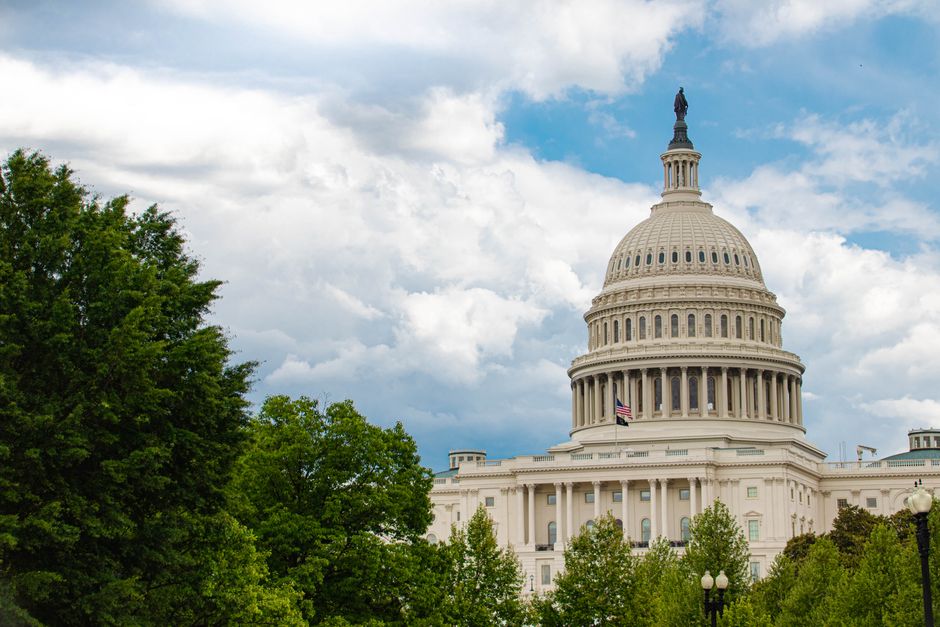
Within the marble halls of the United States Capitol, formal legislative procedures and public debates represent only a fraction of how policy is shaped and political power is exercised. Behind the scenes, congressional caucuses wield substantial influence over the legislative process, serving as informal but powerful coalitions that unite lawmakers across party lines, ideological boundaries, and regional interests. These organizations, numbering in the hundreds, operate largely outside the public spotlight yet play a critical role in determining which issues receive attention, how legislation is crafted, and where political coalitions form.

Understanding Congressional Caucuses

Congressional caucuses are voluntary associations of members of Congress who organize around shared interests, identities, industries, regions, or policy goals. Unlike formal committees, which are officially established by congressional rules and hold legislative authority, caucuses operate informally as member organizations. They provide forums for lawmakers to discuss issues, coordinate strategy, educate colleagues, and advocate for specific policy positions.

The Congressional Member Organization (CMO) designation applies to most caucuses, which must register with the Committee on House Administration. These organizations cannot use official funds but may use congressional resources such as meeting rooms and staff time. In the Senate, similar groups operate with even fewer formal restrictions, reflecting that chamber's more flexible organizational structure.

The Diverse Landscape of Caucuses

The variety of congressional caucuses reflects the multifaceted nature of American politics and policy concerns. They generally fall into several categories:

Ideological Caucuses

Groups like the Congressional Progressive Caucus and the Freedom Caucus bring together members who share fundamental political philosophies. These caucuses often act as power centers within their respective parties, capable of influencing leadership decisions and establishing negotiating positions on major legislation. The Freedom Caucus, for instance, has successfully leveraged its cohesive voting bloc to influence speakership elections and shape fiscal policy debates.

Identity-Based Caucuses

Organizations such as the Congressional Black Caucus, Congressional Hispanic Caucus, and Congressional Asian Pacific American Caucus represent demographic communities and advocate for policies affecting their constituents. These groups have proven instrumental in elevating issues of civil rights, immigration reform, and economic equity, ensuring that diverse perspectives inform legislative deliberations.

Industry and Economic Caucuses

Numerous caucuses focus on specific industries or economic sectors, including the Congressional Steel Caucus, the Blockchain Caucus, and the Rural Broadband Caucus. These groups serve as channels through which industry concerns reach policymakers while providing members expertise on complex technical and economic matters. Critics argue they sometimes blur the lines between legitimate policy education and industry lobbying.

Regional and State Caucuses

Geographic-based caucuses unite members representing particular regions or states to address shared concerns. The Great Lakes Task Force, for example, coordinates efforts to protect and fund projects affecting that region, while various state delegations meet regularly to discuss issues specific to their constituents.

Mechanisms of Influence

Congressional caucuses exercise influence through several key mechanisms that extend their reach beyond their membership numbers:

Information and Expertise

Caucuses serve as knowledge hubs, providing members with specialized information about complex policy areas. They organize briefings, produce research materials, and facilitate dialogue with experts and stakeholders. This educational function helps members develop expertise and makes them valuable resources for colleagues seeking to understand specific issues. When caucus members become recognized authorities on particular subjects, their influence on related legislation increases substantially.

Coalition Building

By bringing together members across traditional political divides, caucuses create unusual alliances that can prove decisive in advancing legislation. The bipartisan nature of many caucuses demonstrates that shared interests often transcend party loyalty. The Congressional Cybersecurity Caucus, for instance, unites members from both parties around national security concerns, creating a foundation for bipartisan legislation that might otherwise founder on partisan disagreements.

Agenda Setting

Caucuses play a crucial role in determining which issues receive congressional attention. By coordinating members to introduce related bills, request hearings, or issue public statements, caucuses can elevate topics that might otherwise languish in obscurity. The visibility created by caucus advocacy can transform niche concerns into mainstream legislative priorities.

Vote Coordination

While caucuses cannot formally enforce voting discipline, they create spaces where members discuss legislative strategy and coordinate positions. Particularly cohesive caucuses can function as voting blocs, giving them negotiating leverage with party leadership. When the Congressional Progressive Caucus or the Freedom Caucus threatens to withhold votes on key legislation, party leaders must take their demands seriously.

Transparency Concerns and Criticism

Despite their influence, congressional caucuses operate with limited transparency and oversight. Their informal status means they face fewer disclosure requirements than official committees, raising concerns about accountability. Critics point to several issues:

  • Many caucuses receive funding from outside organizations, including industry groups and advocacy organizations, creating potential conflicts of interest
  • Caucus activities and deliberations generally occur behind closed doors without public records or meeting minutes
  • The proliferation of caucuses sometimes fragments legislative attention rather than promoting coherent policy development
  • Industry-focused caucuses may serve as vehicles for special interest influence disguised as policy education

The Future of Caucus Influence

As Congress becomes increasingly polarized and traditional legislative procedures prove inadequate for addressing complex modern challenges, caucuses likely will maintain and possibly expand their influence. Their flexibility, ability to transcend party divisions, and capacity to focus sustained attention on specific issues make them valuable tools for navigating contemporary legislative dynamics.

However, calls for greater transparency and accountability may reshape how caucuses operate. Proposals for enhanced disclosure requirements, limits on outside funding, and public reporting of activities could make caucus influence more visible while potentially constraining their flexibility.

Understanding congressional caucuses is essential for comprehending how Congress actually functions beyond the formal structures described in civics textbooks. These organizations represent an adaptive response to the challenges of governing in a diverse, complex democracy, serving simultaneously as instruments of specialized expertise, coalition building, and interest group influence. Their hidden but substantial impact on legislation and policy makes them indispensable elements of the American legislative process.