











1 / 10 Questions
0 Points

What gives flamingos their signature pink hue?

Sunlight exposure

Minerals in the water

A genetic mutation

Carotenoids in their diet

Points won
0
Correct score
0%

More Questions

More Articles

The Real Science Behind Popular Myths

The Real Science Behind Popular Myths

⏱️ 5 min read

The Real Science Behind Popular Myths

Throughout history, myths and misconceptions have woven themselves into the fabric of popular culture, often passed down through generations without question. While many of these beliefs make for entertaining stories or convenient explanations, the scientific reality behind them tells a different tale. Understanding the truth behind these popular myths not only satisfies our curiosity but also helps us make better-informed decisions in our daily lives.

The Five-Second Rule

One of the most persistent myths in food safety is the five-second rule, which suggests that food dropped on the floor remains safe to eat if retrieved within five seconds. Unfortunately, science tells a different story. Research conducted by Rutgers University in 2016 demonstrated that bacteria transfer to food occurs almost instantaneously upon contact with a contaminated surface.

The study examined various food types, surfaces, and contact times, finding that moisture, surface type, and the amount of bacteria present on the floor were far more important factors than time. Watermelon, for instance, picked up more bacteria than dry foods like bread or candy. While the five-second rule makes a convenient excuse for salvaging dropped food, the reality is that contamination begins immediately upon contact.

Cracking Knuckles Causes Arthritis

For decades, people have warned that cracking knuckles leads to arthritis and joint damage. This myth has been so persistent that it became the subject of serious scientific inquiry. The popping sound heard when cracking knuckles is caused by the formation and collapse of gas bubbles in the synovial fluid that lubricates joints, a process called cavitation.

Multiple studies, including long-term research examining habitual knuckle crackers versus non-crackers, have found no correlation between knuckle cracking and the development of arthritis. One particularly dedicated physician, Dr. Donald Unger, cracked the knuckles of only his left hand for over sixty years and found no difference in arthritis development between his hands. While excessive or forceful knuckle cracking might lead to reduced grip strength or joint swelling, it does not cause arthritis.

We Only Use 10% of Our Brains

Perhaps one of the most damaging myths perpetuated in popular culture is the notion that humans only use 10% of their brain capacity. This misconception has been featured in numerous films, books, and motivational speeches, suggesting that unlocking the remaining 90% could lead to superhuman abilities.

Neurological research using brain imaging technology has conclusively disproven this myth. Functional magnetic resonance imaging (fMRI) and positron emission tomography (PET) scans show that virtually all parts of the brain exhibit some level of activity throughout the day, even during sleep. Different regions activate for different tasks, but there is no dormant 90% waiting to be accessed. Brain damage to even small areas can have significant effects on functioning, further evidence that all parts of the brain serve important purposes.

Lightning Never Strikes the Same Place Twice

This popular saying is often used metaphorically to suggest that unlikely events won't repeat themselves. However, meteorological science demonstrates that lightning frequently strikes the same location multiple times, particularly tall, isolated, or pointed structures.

The Empire State Building in New York City, for example, is struck by lightning approximately 25 times per year. The physics behind lightning explains this phenomenon: lightning takes the path of least resistance to the ground, and certain locations provide better conductivity or shorter paths than others. Lightning rods work precisely because lightning does strike the same place repeatedly, allowing these devices to safely direct electrical discharge away from structures.

Shaving Makes Hair Grow Back Thicker

The belief that shaving causes hair to grow back thicker, darker, or faster is widespread, yet completely unfounded. This myth likely persists because of the optical illusion created by cutting hair at the skin's surface.

When hair grows naturally, it tapers to a fine point at the tip. Shaving cuts the hair at its thickest point, creating a blunt edge. As the hair grows back, this blunt edge may feel coarser and appear darker than the tapered natural tip. However, dermatological research has repeatedly confirmed that shaving does not affect the thickness, color, or rate of hair growth. These characteristics are determined by genetics and hormones, not by grooming practices.

Goldfish Have a Three-Second Memory

The portrayal of goldfish as forgetful creatures with mere seconds of memory has become a cultural shorthand for absent-mindedness. Scientific research on fish cognition, however, reveals a very different picture. Studies have demonstrated that goldfish can remember information for months, not seconds.

Research conducted at various universities has shown that goldfish can be trained to recognize shapes, colors, and sounds, and they retain this learning for extended periods. They can navigate mazes, remember feeding times, and even recognize individual humans. Some studies have demonstrated memory retention lasting at least three months, thoroughly debunking the three-second memory myth.

The Importance of Scientific Literacy

Understanding the science behind popular myths serves a greater purpose than simply correcting misconceptions. It promotes critical thinking and encourages people to question information before accepting it as truth. In an age of rapid information spread through social media and digital platforms, the ability to distinguish fact from fiction becomes increasingly valuable.

These myths persist partly because they often contain a kernel of intuitive appeal or provide simple explanations for complex phenomena. However, scientific inquiry demands evidence, reproducibility, and rigorous testing. By examining the real science behind popular myths, we can appreciate both the complexity of the natural world and the importance of evidence-based thinking in our daily lives.
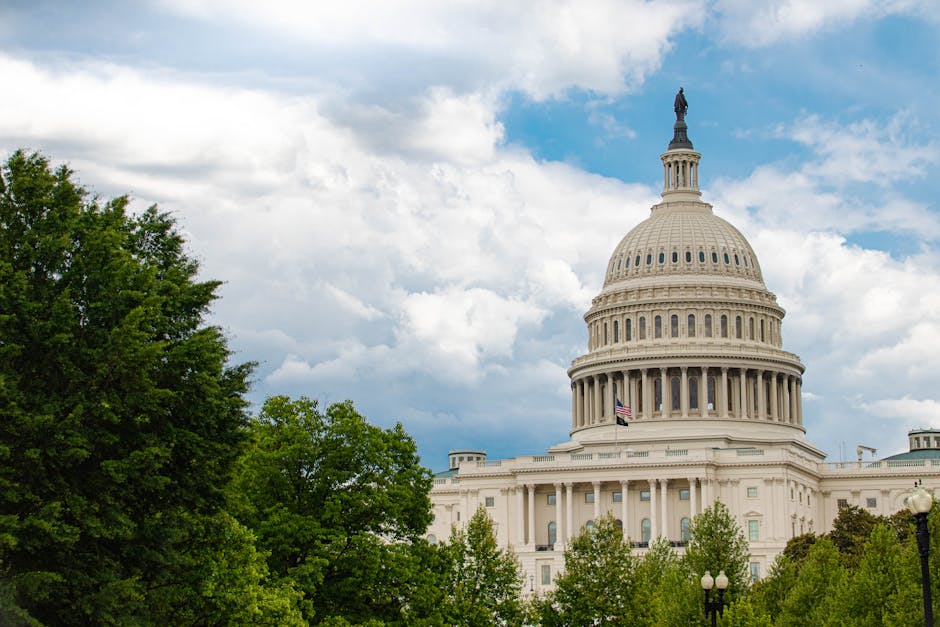
Did You Know? 9 Facts About Congressional Travel Reimbursement

Did You Know? 9 Facts About Congressional Travel Reimbursement

⏱️ 6 min read

Did You Know? 9 Facts About Congressional Travel Reimbursement

Congressional travel reimbursement is a topic that often generates public curiosity and scrutiny. As elected representatives who must balance their time between Washington, D.C., and their home districts, members of Congress rely on various allowances and reimbursement systems to fulfill their duties. Understanding how congressional travel reimbursement works provides valuable insight into the operational aspects of the legislative branch and how taxpayer dollars are allocated. Here are nine essential facts about congressional travel reimbursement that every citizen should know.

1. The Members' Representational Allowance Covers Most Travel

The primary funding mechanism for congressional travel is the Members' Representational Allowance, commonly known as the MRA. This allowance is a consolidated budget that covers various official expenses, including travel between Washington, D.C., and a member's congressional district. The MRA replaced the previous system of separate allowances in 1996, providing members with more flexibility in managing their office budgets. Each member receives a different MRA amount based on factors such as the distance between their district and Washington, D.C., and the cost of office space in their district. Travel expenses must be legitimate official business to qualify for reimbursement under this allowance.

2. Strict Documentation Requirements Apply

Congressional travel reimbursement operates under stringent documentation requirements to ensure accountability and prevent misuse of public funds. Members and their staff must maintain detailed records of all travel, including receipts, itineraries, and explanations of the official purpose for each trip. The Committee on House Administration and the Senate Ethics Committee oversee these requirements and can audit travel expenses. All reimbursement requests must clearly demonstrate that the travel was related to official congressional business, such as constituent services, committee work, or legislative research. These requirements help maintain transparency and public trust in how taxpayer money is spent.

3. Different Rules for Domestic and International Travel

Congressional travel reimbursement policies distinguish between domestic and international travel, with different rules applying to each category. Domestic travel within the United States, particularly between Washington and a member's district, faces fewer restrictions and is generally covered under the MRA. International travel, however, requires additional approval and reporting. Congressional delegations, known as CODELs, must be approved by leadership and often involve fact-finding missions, diplomatic engagement, or oversight of military operations abroad. International travel is subject to more rigorous scrutiny and public disclosure requirements, reflecting the higher level of public interest and potential for controversy.

4. Limits on Travel Class and Accommodations

Federal regulations impose limits on the class of travel and quality of accommodations that can be reimbursed for congressional trips. Generally, members are expected to use coach class for flights unless there are specific justifications for business or first-class travel, such as security concerns or lack of coach availability. Hotel accommodations must also be reasonable and within federal per diem rates for the specific location. These restrictions aim to ensure that members use public funds responsibly and avoid the appearance of luxury travel at taxpayer expense. Violations of these guidelines can result in members having to reimburse the government from their personal funds or facing ethics investigations.

5. Spouse and Family Travel Has Special Rules

The rules governing reimbursement for spouse and family travel are particularly strict and limited. Generally, taxpayer funds cannot be used to pay for family members to accompany members of Congress on official trips unless there is a legitimate official purpose for their presence. In rare cases where a spouse participates in official duties or ceremonial functions, their expenses might be covered. However, members who wish to bring family members on trips typically must pay for those additional costs from their personal funds. This policy prevents the misuse of public money for what would essentially be personal or leisure travel disguised as official business.

6. Quarterly Disclosure Requirements Ensure Transparency

To maintain public accountability, members of Congress must disclose their office expenses, including travel reimbursements, on a quarterly basis. These reports are publicly available and provide detailed information about how each member has spent their MRA, including travel costs. The disclosure includes information about destinations, costs, and the general purpose of trips. This transparency allows constituents, watchdog organizations, and media outlets to monitor how their representatives are using taxpayer funds for travel. The quarterly reporting requirement serves as both a deterrent to inappropriate spending and a tool for public oversight of congressional activities.

7. Campaign Travel Must Be Separated and Funded Differently

One of the most important distinctions in congressional travel involves the separation between official congressional business and campaign activities. Members of Congress cannot use their MRA or any taxpayer-funded resources for campaign travel or political activities. When members travel for campaign purposes, such as attending fundraisers or campaign rallies, those expenses must be paid for by their campaign committees or personal funds. If a trip involves both official business and campaign activities, the costs must be carefully allocated and prorated according to the time spent on each type of activity. Failure to properly separate these expenses can result in ethics violations and potential legal consequences.

8. Special Provisions for District Work Periods

Congressional schedules include designated district work periods, commonly called recesses, when members are expected to return to their home districts to meet with constituents and conduct local business. During these periods, travel reimbursement policies allow for extensive travel within the district and between the district and Washington. Members often use these periods to hold town halls, visit local businesses and organizations, and maintain connections with their constituents. The reimbursement system recognizes that this constituent service is a fundamental part of a member's official duties, and travel costs associated with these activities are generally considered legitimate uses of the MRA, provided they are properly documented and justified.

9. Changes and Reforms Continue to Evolve

Congressional travel reimbursement policies are not static; they continue to evolve in response to public concerns, ethical breaches, and changing circumstances. Over the years, Congress has implemented various reforms to tighten restrictions, improve transparency, and reduce the potential for abuse. Recent reforms have included enhanced disclosure requirements, stricter definitions of official business, and greater scrutiny of international travel. The rise of virtual meeting technology has also influenced travel policies, with increased expectations that members will utilize video conferencing when appropriate to reduce costs. These ongoing reforms reflect Congress's response to public pressure for greater accountability and responsible stewardship of taxpayer resources.

Conclusion

Understanding these nine facts about congressional travel reimbursement provides important context for how the legislative branch operates and manages public funds. From the comprehensive Members' Representational Allowance to strict documentation requirements, from the distinction between official and campaign travel to ongoing reforms, the system reflects a balance between enabling members to perform their duties effectively and maintaining accountability to taxpayers. While the system is not perfect and occasional abuses do occur, the framework of rules, restrictions, and transparency measures helps ensure that congressional travel serves legitimate governmental purposes. As citizens, staying informed about these policies enables more effective oversight of our elected representatives and contributes to a healthier democratic process.