










1 / 10 Questions
0 Points

What Australian marsupial eats eucalyptus leaves almost exclusively?

Wombat

Tasmanian Devil

Koala

Kangaroo

Points won
0
Correct score
0%

More Questions

More Articles

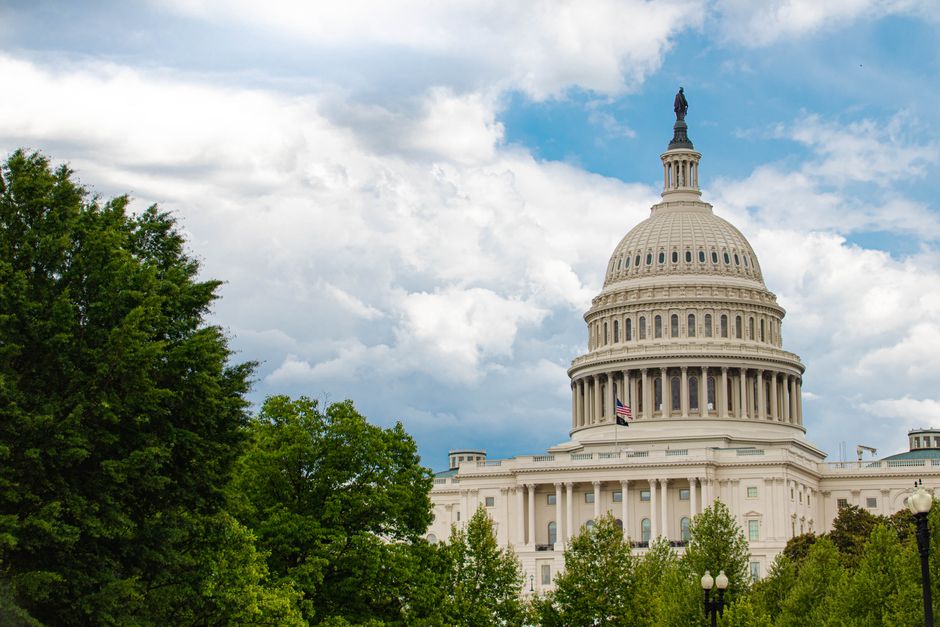
Did You Know? 10 Facts About Congressional Travel Rules

Did You Know? 10 Facts About Congressional Travel Rules

⏱️ 6 min read

Did You Know? 10 Facts About Congressional Travel Rules

Congressional travel has long been a subject of public interest and scrutiny. Members of Congress frequently travel both domestically and internationally for official business, constituent meetings, and fact-finding missions. However, their travel is governed by a complex set of rules, regulations, and ethical guidelines designed to ensure transparency and proper use of taxpayer funds. Understanding these rules provides valuable insight into how the legislative branch operates and maintains accountability. Here are ten fascinating facts about congressional travel rules that shed light on this important aspect of government operations.

1. Official Travel Must Serve a Legislative Purpose

All congressional travel funded by taxpayers must have a clear legislative or representational purpose. This means that trips must be related to official duties such as conducting oversight, meeting with constituents, participating in committee work, or engaging in diplomatic activities. Members cannot use official travel funds for purely personal vacations or campaign activities. Each trip requires documentation explaining its official purpose, and members must be prepared to justify how the travel serves their congressional responsibilities.

2. The Franking Privilege Extends Beyond Mail

While most people associate the franking privilege with mail, it also relates to certain travel benefits. Members of Congress receive allowances that cover transportation between their district and Washington, D.C. This Members' Representational Allowance (MRA) includes provisions for travel expenses. The amount varies based on the distance between a member's district and the nation's capital, recognizing that representatives from distant states like Hawaii or Alaska face greater travel costs than those from nearby states like Maryland or Virginia.

3. Strict Rules Govern Privately-Funded Travel

When private organizations offer to sponsor congressional travel, stringent rules apply. The Honest Leadership and Open Government Act of 2007 significantly restricted privately-funded travel, requiring pre-approval from the House or Senate Ethics Committee. Private entities may cover expenses for certain trips, such as speaking engagements or educational conferences, but lobbyists and foreign agents are generally prohibited from funding congressional travel. All privately-funded trips must be disclosed publicly, including detailed information about sponsors, destinations, and purposes.

4. Spouses and Family Travel Faces Limitations

Congressional rules strictly limit when family members can accompany legislators on official trips at government expense. Generally, spouses and family members cannot travel on taxpayer funds unless their presence serves a bona fide official purpose. In rare cases where a spouse's attendance is deemed necessary for diplomatic or ceremonial reasons, approval may be granted. When family members do travel, detailed justification must be provided, and any personal portion of travel costs must be reimbursed by the member.

5. CODEL Trips Require Extensive Planning

Congressional Delegations, known as CODELs, are official trips abroad taken by groups of members. These trips require extensive coordination with the State Department, military, and foreign governments. CODELs must be approved by the Speaker of the House or Senate Majority Leader and typically focus on foreign policy issues, military oversight, or trade relations. For security reasons, CODEL itineraries are often kept confidential until after the trip concludes, though details are eventually made public through required disclosure reports.

6. Travel Records Must Be Publicly Disclosed

Transparency requirements mandate that congressional travel be documented and made available to the public. Members must file detailed travel disclosure forms that include dates, destinations, purposes, and costs of trips. These reports are filed with the Clerk of the House or Secretary of the Senate and are accessible through public databases. This transparency allows constituents and watchdog organizations to monitor how their representatives travel and whether trips appear justified based on their official duties.

7. Gift Rules Apply to Travel-Related Benefits

Congressional gift rules extend to travel-related perks and amenities. Members cannot accept upgrades, excessive accommodations, or entertainment that would constitute gifts beyond permitted limits. For example, if a private sponsor pays for a trip, the accommodations must be reasonable and not lavish. Members cannot accept first-class airline tickets when coach is available, and hotel accommodations must be modest rather than extravagant. Any benefits received during travel must be reported and must comply with gift value limitations.

8. Military Aircraft Use Has Specific Protocols

Congressional leadership and committee chairs may have access to military aircraft for official travel, particularly for CODELs and security-sensitive trips. However, the use of military aircraft is governed by strict protocols and cost considerations. The Speaker of the House receives regular access to military aircraft primarily for security reasons following the September 11 attacks. Other members generally fly commercial unless security concerns, classified briefings, or trip logistics necessitate military transport. When military aircraft are used, the costs are documented and reported.

9. Reimbursement Requirements Are Strictly Enforced

When congressional travel includes any personal component, members must reimburse the government for those portions. For example, if a member extends an official trip for personal tourism or makes a detour for non-official purposes, they must calculate and repay the additional costs. The House and Senate ethics offices provide guidance on calculating appropriate reimbursement amounts. Failure to properly reimburse personal travel expenses can result in ethics violations and public controversy.

10. Campaign Travel Must Be Kept Completely Separate

One of the strictest rules governing congressional travel is the prohibition against mixing official and campaign activities. Members cannot use official travel funds, including their MRA, for campaign-related trips. When traveling for campaign purposes, members must use campaign funds exclusively. If a trip serves both official and campaign purposes, costs must be carefully allocated and appropriate reimbursements made. This separation ensures that taxpayer dollars support only legitimate government business, not political campaigning.

Conclusion

Congressional travel rules represent a comprehensive framework designed to balance the legitimate needs of legislators to conduct official business with the imperative to protect taxpayer resources and maintain public trust. From the requirement that all travel serve legislative purposes to the strict prohibitions on mixing campaign and official activities, these ten facts illustrate the complexity and rigor of the regulations governing how members of Congress travel. The extensive disclosure requirements, limitations on privately-funded trips, and rules regarding family travel all work together to create accountability. While controversies occasionally arise regarding congressional travel, these rules provide important guardrails that help ensure travel serves the public interest. Understanding these regulations gives citizens valuable insight into congressional operations and the mechanisms in place to promote ethical conduct and responsible use of public resources.

Why Political Frustration Often Reflects Systemic Failures

Why Political Frustration Often Reflects Systemic Failures

⏱️ 5 min read

Why Political Frustration Often Reflects Systemic Failures

Across democratic nations, citizens increasingly express frustration with their political systems. While it's tempting to attribute this dissatisfaction to temporary circumstances or individual politicians, the persistence and universality of these sentiments suggest something deeper: systemic failures that undermine democratic functionality and erode public trust. Understanding the structural nature of political frustration is essential for addressing the root causes rather than merely treating symptoms.

The Nature of Systemic Failure

Systemic failures occur when institutional structures, processes, or mechanisms consistently fail to achieve their intended purposes. In political systems, these failures manifest when democratic institutions cannot effectively represent citizens, solve pressing problems, or adapt to changing circumstances. Unlike individual corruption or poor leadership—which are certainly problems—systemic failures persist regardless of which particular individuals occupy positions of power.

Political frustration serves as a diagnostic tool, revealing where systems are breaking down. When citizens across ideological spectrums express similar levels of dissatisfaction with political processes, this convergence signals that the problems transcend partisan divides and point to foundational issues within the system itself.

Key Indicators of Systemic Failure

Representational Gaps

Modern democracies face significant challenges in translating citizen preferences into policy outcomes. Electoral systems designed centuries ago often fail to reflect the diversity and complexity of contemporary societies. Gerrymandering, outdated districting methods, and winner-take-all electoral systems can result in legislatures that don't proportionally represent voter preferences. When substantial portions of the electorate feel their voices go unheard, frustration naturally follows.

Additionally, the influence of money in politics creates representational distortions. When wealthy donors and special interests can disproportionately shape policy agendas, average citizens rightfully perceive that their interests take secondary importance. This perception is often supported by research showing policy outcomes more closely align with elite preferences than public opinion on numerous issues.

Institutional Gridlock

Many political systems contain checks and balances designed to prevent tyranny and ensure deliberation. However, these mechanisms can become pathological when they prevent any meaningful action. Excessive veto points, partisan polarization, and strategic obstruction can transform healthy deliberation into debilitating gridlock.

When governments cannot pass legislation to address urgent problems—whether infrastructure decay, healthcare challenges, or climate change—citizens experience direct consequences of systemic dysfunction. The frustration stems not from disagreement over solutions but from the system's inability to implement any solution at all.

Accountability Deficits

Effective political systems require mechanisms that hold leaders accountable for their actions and decisions. When these mechanisms fail, citizens lose faith in the system's self-correcting capabilities. Accountability deficits emerge from various sources:

  • Complex bureaucratic structures that obscure responsibility
  • Partisan protection of officials from consequences
  • Weak oversight institutions
  • Limited transparency in decision-making processes
  • Regulatory capture where agencies serve industry interests rather than public welfare

Without robust accountability, political systems cannot learn from mistakes or correct course, leading to repeated failures that compound public frustration.

Feedback Loop Effects

Systemic failures create self-reinforcing cycles that deepen political frustration. As citizens lose trust in institutions, they become less likely to engage constructively with political processes. This disengagement further weakens institutional legitimacy and effectiveness, creating a downward spiral.

Lower civic participation allows organized interests to exert even greater influence, exacerbating representational gaps. Meanwhile, cynicism about politics drives away talented potential leaders who might otherwise enter public service, reducing the quality of governance. These feedback loops demonstrate how initial systemic problems can metastasize into broader institutional crises.

The Information Ecosystem Challenge

Contemporary political systems operate within information environments that often amplify systemic failures. The fragmentation of media, rise of partisan news sources, and proliferation of misinformation make it difficult for citizens to develop shared understandings of problems or evaluate proposed solutions.

This information challenge itself represents a systemic failure—not of traditional political institutions, but of the broader ecosystem supporting democratic deliberation. When citizens cannot agree on basic facts or share common information sources, the collective decision-making that democracy requires becomes nearly impossible.

Distinguishing Symptoms from Causes

Political discourse often focuses on symptoms of systemic failure rather than root causes. Attention concentrates on individual politicians, specific scandals, or particular policy disputes. While these matters deserve scrutiny, focusing exclusively on them obscures the structural problems generating repeated crises.

For example, government shutdowns or debt ceiling crises reflect deeper dysfunctions in budgetary processes and legislative procedures. Corruption scandals often point to inadequate ethics frameworks and enforcement mechanisms. Recognizing these patterns helps identify where systemic reforms could prevent recurring problems.

Implications for Reform

Understanding political frustration as reflecting systemic failures has important implications for reform efforts. Effective solutions must address structural issues rather than simply changing personnel or making marginal adjustments.

Meaningful reforms might include:

  • Electoral system modifications to improve representation
  • Campaign finance reforms to reduce money's influence
  • Procedural changes to reduce legislative gridlock
  • Strengthening oversight and accountability mechanisms
  • Improving transparency in government decision-making
  • Updating institutional designs to reflect contemporary realities

Such reforms face significant obstacles, as those benefiting from current systems often resist change. However, widespread political frustration can create windows of opportunity for structural reforms when citizens demand more than superficial solutions.

Conclusion

Political frustration is neither irrational nor inevitable. It represents a reasonable response to observable systemic failures in how democratic institutions function. Rather than dismissing citizen dissatisfaction as cynicism or ignorance, political leaders and analysts should recognize it as valuable feedback indicating where systems require repair.

Addressing systemic failures requires honest diagnosis of institutional shortcomings and commitment to structural reforms. While such changes are difficult to achieve, they offer the only sustainable path toward restoring effective governance and rebuilding public trust. The alternative—continuing to ignore systemic problems while frustration deepens—risks more serious democratic deterioration.