
⏱️ 5 min read
The Danger of Treating Democracy as a Spectator Sport
In modern democratic societies, a troubling trend has emerged: citizens increasingly view democracy as something to observe rather than participate in. This passive approach, where individuals watch political developments unfold from the sidelines much like spectators at a sporting event, poses significant risks to the health and sustainability of democratic institutions. When citizens disengage from active participation and treat governance as entertainment, the very foundations of representative democracy begin to erode.
The Rise of Democratic Spectatorship
The phenomenon of democratic spectatorship manifests in multiple ways across contemporary societies. Many citizens limit their political engagement to watching news coverage, following social media commentary, and discussing political events with like-minded individuals, all while rarely taking concrete action. This passive consumption of politics creates an illusion of engagement without the substance of meaningful participation.
Several factors have contributed to this shift. The 24-hour news cycle has transformed politics into constant entertainment, with media outlets focusing on conflict, scandal, and personality-driven narratives rather than substantive policy discussions. Political coverage often resembles sports commentary, complete with winners and losers, polls functioning as scoreboards, and elections treated as championship events. This framing encourages audiences to pick sides and cheer from afar rather than recognize their role as essential participants in the democratic process.
Consequences of Passive Citizenship
When democracy becomes a spectator sport, the consequences extend far beyond individual disengagement. The quality of democratic governance itself suffers in measurable ways.
First, voter turnout declines. While voting represents the most basic form of democratic participation, many established democracies struggle with consistently low voter participation rates. When citizens view themselves as observers rather than participants, they often conclude that their individual vote carries little weight. This self-fulfilling prophecy weakens electoral legitimacy and allows small, motivated minorities to exert disproportionate influence over election outcomes.
Second, the space between elections becomes a democratic void. Representative democracy requires more than periodic voting; it depends on sustained citizen engagement through multiple channels. When people treat politics as a spectator sport, they often pay attention only during election seasons, leaving elected officials largely unaccountable during their terms in office. This creates opportunities for special interests and well-organized lobbying groups to dominate policy-making processes without public scrutiny.
Third, the quality of public discourse deteriorates. Spectator democracy encourages tribalism, where citizens identify with political parties or movements as fans identify with sports teams—through loyalty rather than critical evaluation. This tribal mentality fosters polarization, makes compromise difficult, and reduces complex policy questions to simplified narratives of good versus evil.
The Erosion of Democratic Skills
Active democratic citizenship requires specific skills and habits that atrophy when unused. These include:
- Critical thinking and the ability to evaluate competing claims and evidence
- Civil discourse and the capacity to engage respectfully with those holding different views
- Collaborative problem-solving and willingness to seek common ground
- Civic knowledge about governmental structures, processes, and history
- Organizational abilities needed for collective action and community engagement
When citizens adopt a spectator mindset, they have fewer opportunities to develop and practice these essential democratic competencies. Over time, entire generations may grow up without acquiring the skills necessary for effective self-governance, creating a vicious cycle where passive citizenship becomes increasingly normalized.
The Accountability Gap
Democratic accountability depends on active citizen oversight. Elected representatives and government institutions function properly only when they know citizens are paying attention and will respond to failures or overreach. Spectator democracy creates an accountability gap where officials face minimal consequences for poor performance, corruption, or neglect of public interest.
This gap becomes particularly dangerous when combined with complex policy challenges requiring sustained public attention. Issues like climate change, infrastructure investment, healthcare reform, and economic inequality demand long-term commitment and difficult trade-offs. When citizens engage only sporadically and superficially, politicians have incentives to prioritize short-term gains and avoid politically costly but necessary actions.
Reclaiming Active Citizenship
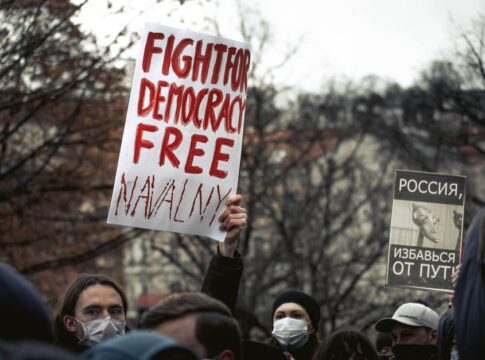
Reversing the trend toward spectator democracy requires deliberate effort at individual, community, and institutional levels. Citizens must recognize that democracy is not a spectator sport but a participatory system requiring ongoing engagement.
Practical steps toward more active citizenship include:
- Participating in local government meetings and community organizations
- Contacting elected representatives about specific issues and policies
- Engaging in volunteer work that addresses community needs
- Supporting journalism and information sources that provide substantive coverage
- Voting consistently in all elections, including local and primary contests
- Joining or supporting advocacy organizations aligned with personal values
- Participating in public consultations and comment periods on proposed policies
The Stakes for Democratic Futures
The danger of treating democracy as a spectator sport extends beyond immediate political outcomes. It threatens the long-term viability of democratic systems themselves. History demonstrates that democracies do not collapse primarily through dramatic coups or revolutions; they more often deteriorate gradually through citizen disengagement and institutional decay.
When people abdicate their responsibilities as active citizens, they create vacuums that others will fill—whether special interests, demagogues, or anti-democratic movements. The preservation of democratic governance requires each generation to actively embrace and practice citizenship, understanding that democracy is not a static achievement but an ongoing project requiring constant participation and vigilance.
The choice between spectator and participant citizenship ultimately determines whether democratic societies can address their most pressing challenges while maintaining legitimacy, accountability, and genuine representation. Democracy cannot survive as a spectator sport; it demands active players committed to the difficult work of self-governance.