











1 / 10 Questions
0 Points

What Federal Agency Protects The President?

Secret Service

CIA

US Marshals

FBI

Points won
0
Correct score
0%

More Questions

More Articles

Why Algorithmic News Feeds Distort Political Reality

Why Algorithmic News Feeds Distort Political Reality

⏱️ 5 min read

Why Algorithmic News Feeds Distort Political Reality

In an era where billions of people receive their news through algorithmically curated feeds on social media platforms, the way information reaches citizens has fundamentally transformed. While these platforms promise personalized, relevant content, the mechanisms driving what users see have created profound distortions in how political reality is perceived and understood. The implications for democratic discourse and civic engagement are substantial and demand critical examination.

The Architecture of Engagement

Social media algorithms are designed with a primary objective: maximize user engagement. Platforms profit from attention, and their sophisticated systems have learned that certain types of content keep users scrolling, clicking, and returning. Political content that triggers strong emotional responses—particularly outrage, fear, or tribal solidarity—consistently outperforms nuanced, balanced reporting in terms of engagement metrics.

This creates a fundamental misalignment between what serves democratic discourse and what serves platform business models. Algorithms don't evaluate content based on accuracy, importance, or civic value. Instead, they optimize for watch time, shares, comments, and reactions. The result is a news environment where inflammatory content receives disproportionate distribution, while thoughtful analysis often languishes in obscurity.

The Filter Bubble Effect

Personalization algorithms create what researchers call "filter bubbles"—information environments tailored to reinforce existing beliefs and preferences. By analyzing user behavior, these systems predict what content individuals want to see and deliver more of it. While this might seem beneficial for user satisfaction, it has troubling consequences for political understanding.

When citizens primarily encounter political information that confirms their existing viewpoints, several distortions emerge:

  • Overestimation of ideological consensus within society
  • Decreased exposure to legitimate opposing viewpoints
  • Reduced ability to understand the reasoning of political opponents
  • Increased perception of the "other side" as unreasonable or extreme
  • Greater susceptibility to misinformation that aligns with preexisting beliefs

These bubbles don't merely limit exposure to diverse perspectives; they actively shape perceptions of political reality itself. Users may genuinely believe their views represent a clear majority opinion when they exist within carefully constructed echo chambers that vastly overrepresent their perspective.

Amplification of Extremes

Algorithmic curation systematically amplifies extreme voices and marginalizes moderate positions. This occurs through multiple mechanisms. First, extreme content generates stronger emotional reactions, leading to higher engagement rates that algorithms reward with greater distribution. Second, users who post frequently and controversially receive algorithmic boosts, while occasional participants sharing measured views reach smaller audiences.

Research has demonstrated that political content on social media skews significantly more extreme than public opinion overall. This creates a distorted perception where the political landscape appears more polarized than it actually is. Citizens consuming news through these feeds may believe compromise is impossible, that opponents hold more radical views than they do, and that their own relatively moderate positions are somehow radical departures from their political tribe.

The Velocity Problem

Algorithmic feeds prioritize recent, rapidly spreading content over established, verified reporting. This velocity bias means that initial reports—which are often incomplete, unverified, or simply wrong—receive massive distribution before corrections can catch up. By the time fact-checkers and reputable journalists verify information, the algorithm has already moved on to the next viral story.

This dynamic particularly distorts political reality during fast-moving events, crises, or controversies. Users form impressions based on preliminary information that may be substantially incorrect, and those impressions often persist even after corrections are published. The result is a public discourse built partially on foundations of misinformation that spread faster than truth.

Context Collapse

Traditional journalism provides context, background, and analysis that help readers understand where new developments fit within larger narratives. Algorithmic feeds strip away this context, presenting political information as a disconnected stream of discrete items optimized for immediate emotional impact.

A complex policy debate becomes reduced to a provocative quote. A nuanced political position is summarized in a misleading headline. Important but unsexy developments go unreported while trivial controversies dominate attention. This context collapse leaves users with a fragmented, distorted understanding of political reality that emphasizes spectacle over substance.

The Illusion of Informed Engagement

Perhaps most insidiously, algorithmic feeds create an illusion of being well-informed while actually narrowing and distorting political understanding. Users who spend significant time consuming content through these platforms may feel highly engaged with political issues, unaware that their information diet has been systematically skewed by invisible algorithmic processes.

This false confidence can be more dangerous than admitted ignorance. It leads to increased political certainty based on incomplete or biased information, greater willingness to engage in political conflict, and reduced openness to learning or reconsidering positions.

Paths Forward

Addressing these distortions requires action at multiple levels. Platforms could redesign algorithms to prioritize accuracy, diversity of perspective, and civic value over pure engagement. Regulators might require greater transparency about how algorithms function and what content they promote. Media literacy education could help users recognize algorithmic influence and seek out diverse, reliable sources.

Most importantly, individuals can take conscious steps to diversify their information sources, actively seek out quality journalism from professional outlets, and recognize that the reality presented through algorithmic feeds represents a fundamentally distorted version of the political world. Understanding that these distortions exist is the first step toward developing a more accurate, nuanced understanding of political reality.

The challenge of algorithmic distortion will not disappear, but greater awareness of how these systems shape perception can help citizens navigate an increasingly complex information environment with greater wisdom and discernment.
The Hidden Influence Of Color In Daily Life

The Hidden Influence Of Color In Daily Life

⏱️ 5 min read

The Hidden Influence Of Color In Daily Life

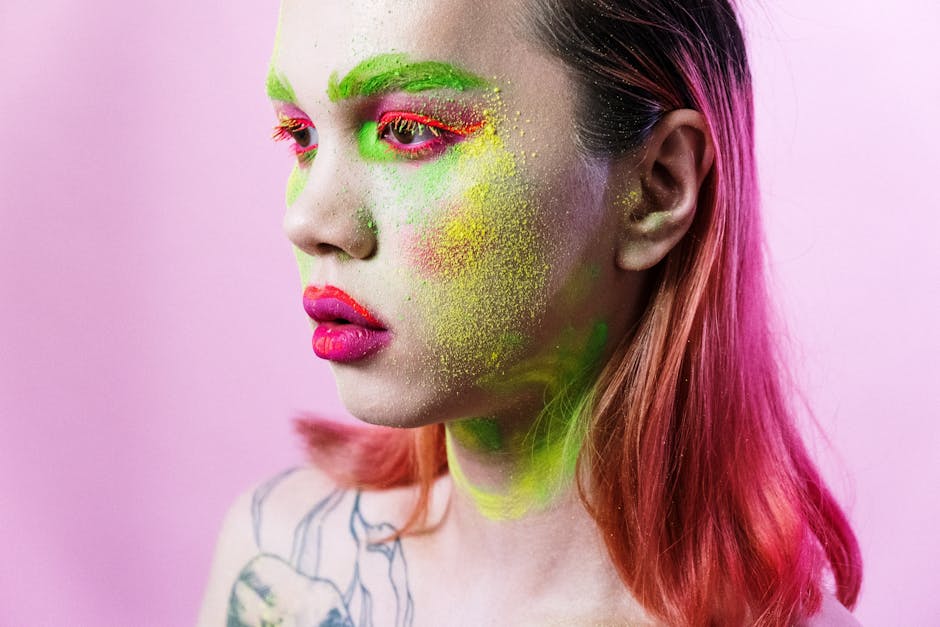
Color surrounds us constantly, yet its profound impact on human behavior, emotions, and decision-making often goes unnoticed. From the moment we wake up to the clothes we choose, the foods we eat, and the environments we navigate, color silently shapes our experiences and influences our choices in ways that most people never consciously recognize. Understanding the hidden power of color can provide valuable insights into human psychology and improve various aspects of daily living.

The Science Behind Color Perception

The human eye can distinguish approximately ten million different colors, a remarkable feat that occurs through specialized cells called cones in the retina. These photoreceptors send signals to the brain, which interprets them as the vibrant spectrum we experience. However, color perception extends far beyond simple visual processing. Research has demonstrated that colors trigger specific psychological and physiological responses, affecting heart rate, blood pressure, and even hormone production.

The wavelengths of light that create different colors interact with our nervous system in distinct ways. Warm colors like red and orange have longer wavelengths and tend to stimulate and energize, while cool colors like blue and green have shorter wavelengths and typically produce calming effects. This biological response forms the foundation for how colors influence our daily experiences.

Color Psychology in Marketing and Consumer Behavior

Corporations invest millions of dollars annually in color research because they understand its crucial role in consumer decision-making. Studies indicate that up to ninety percent of snap judgments about products are based on color alone. Fast-food chains predominantly use red and yellow in their branding because these colors stimulate appetite and create a sense of urgency. Conversely, banks and financial institutions favor blue tones to convey trust, stability, and security.

The psychology of color extends to retail environments where strategic color placement influences purchasing behavior. Sale signs in red grab attention and create a sense of urgency, while luxury brands often employ black and gold to communicate sophistication and exclusivity. Even product packaging color can determine success or failure in the marketplace, as consumers unconsciously associate certain colors with quality, value, or specific product attributes.

Color in the Workplace and Productivity

Office environments strategically utilize color to enhance productivity and employee well-being. Blue environments have been shown to boost focus and mental clarity, making this color ideal for tasks requiring concentration and analytical thinking. Green promotes balance and reduces eye strain, which explains its popularity in workspaces where employees spend extended periods looking at screens.

Yellow stimulates creativity and innovation, making it suitable for brainstorming areas and creative departments. However, excessive yellow can cause anxiety and should be used sparingly. Red increases physical energy and urgency but can also raise stress levels if overused. Progressive companies now employ color consultants to design workspaces that optimize employee performance and satisfaction.

The Impact of Color on Mood and Emotions

The relationship between color and emotional state has been documented extensively in psychological research. Different colors can evoke specific emotional responses:

  • Blue typically induces feelings of calm, peace, and serenity, which is why it features prominently in bedrooms and meditation spaces
  • Red stimulates excitement, passion, and can even increase heart rate and blood pressure
  • Green connects us with nature and promotes feelings of renewal, harmony, and balance
  • Yellow generates optimism and happiness but can cause agitation in large quantities
  • Purple is associated with luxury, creativity, and spirituality
  • Orange combines the energy of red with the happiness of yellow, promoting enthusiasm and warmth
  • White represents purity and simplicity, creating a sense of spaciousness and cleanliness
  • Black conveys sophistication, power, and elegance but can feel oppressive if overused

Color in Healthcare and Healing Environments

Medical facilities increasingly recognize the therapeutic value of color in patient recovery and overall well-being. Research has shown that certain colors can actually accelerate healing processes and reduce patient anxiety. Soft blues and greens dominate modern hospital designs because they lower blood pressure, reduce stress, and create tranquil environments conducive to recovery.

Chromotherapy, or color therapy, is an alternative medicine practice that uses colors to treat various physical and mental health conditions. While scientific evidence for chromotherapy remains limited, the general impact of color on mood and physiology is well-established and continues to inform evidence-based healthcare design.

Cultural Variations in Color Perception

The influence of color is not universal; cultural background significantly shapes color associations and meanings. While white symbolizes purity and weddings in Western cultures, it represents mourning and funerals in many Eastern societies. Red signifies good fortune and celebration in China but can indicate danger or warning in Western contexts. These cultural variations remind us that color psychology operates within specific social and cultural frameworks.

Practical Applications in Daily Life

Understanding color influence enables more intentional choices in personal environments. Selecting wall colors for different rooms based on their intended use can enhance quality of life. Choosing clothing colors strategically can affect personal mood and how others perceive us. Even food presentation benefits from color knowledge, as vibrant, colorful plates appear more appetizing and nutritious than monochromatic meals.

Making Color Work for You

To harness the power of color in daily life, consider the intended atmosphere and activity of each space. Create energizing morning routines with warm colors, establish calming bedtime environments with cool tones, and design productive workspaces with colors that enhance focus. By becoming aware of color's hidden influence, individuals can make informed choices that improve well-being, productivity, and overall life satisfaction.

The omnipresent nature of color means its influence is constant and unavoidable. Recognizing this hidden force empowers people to use color intentionally rather than being unconsciously manipulated by it, ultimately leading to more thoughtful and beneficial interactions with the visual world.