










⏱️ 5 min read
The Hidden Influence of Congressional Caucuses
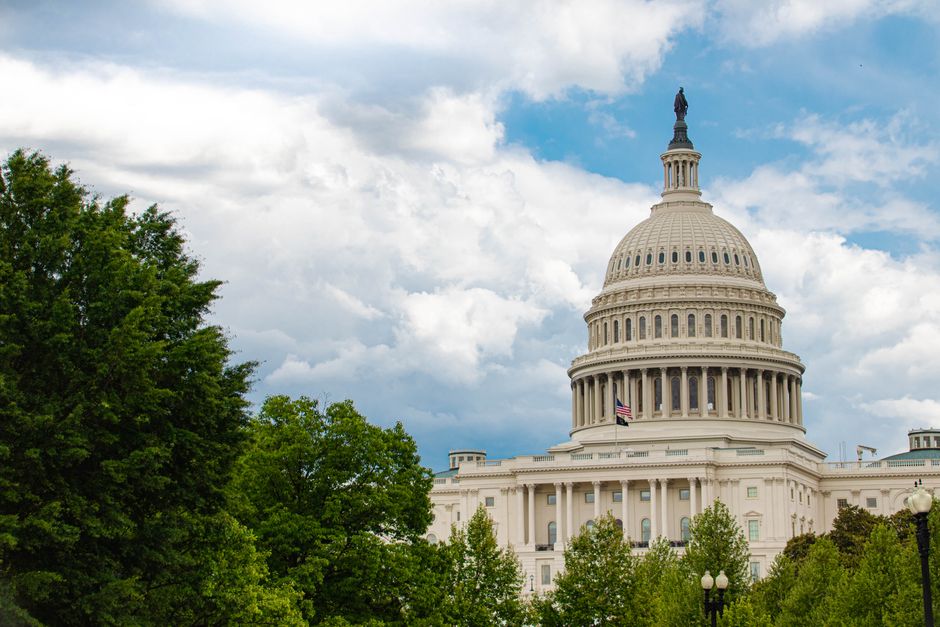
Within the marble halls of the United States Capitol, formal legislative procedures and public debates represent only a fraction of how policy is shaped and political power is exercised. Behind the scenes, congressional caucuses wield substantial influence over the legislative process, serving as informal but powerful coalitions that unite lawmakers across party lines, ideological boundaries, and regional interests. These organizations, numbering in the hundreds, operate largely outside the public spotlight yet play a critical role in determining which issues receive attention, how legislation is crafted, and where political coalitions form.
Understanding Congressional Caucuses
Congressional caucuses are voluntary associations of members of Congress who organize around shared interests, identities, industries, regions, or policy goals. Unlike formal committees, which are officially established by congressional rules and hold legislative authority, caucuses operate informally as member organizations. They provide forums for lawmakers to discuss issues, coordinate strategy, educate colleagues, and advocate for specific policy positions.
The Congressional Member Organization (CMO) designation applies to most caucuses, which must register with the Committee on House Administration. These organizations cannot use official funds but may use congressional resources such as meeting rooms and staff time. In the Senate, similar groups operate with even fewer formal restrictions, reflecting that chamber's more flexible organizational structure.
The Diverse Landscape of Caucuses
The variety of congressional caucuses reflects the multifaceted nature of American politics and policy concerns. They generally fall into several categories:
Ideological Caucuses
Groups like the Congressional Progressive Caucus and the Freedom Caucus bring together members who share fundamental political philosophies. These caucuses often act as power centers within their respective parties, capable of influencing leadership decisions and establishing negotiating positions on major legislation. The Freedom Caucus, for instance, has successfully leveraged its cohesive voting bloc to influence speakership elections and shape fiscal policy debates.
Identity-Based Caucuses
Organizations such as the Congressional Black Caucus, Congressional Hispanic Caucus, and Congressional Asian Pacific American Caucus represent demographic communities and advocate for policies affecting their constituents. These groups have proven instrumental in elevating issues of civil rights, immigration reform, and economic equity, ensuring that diverse perspectives inform legislative deliberations.
Industry and Economic Caucuses
Numerous caucuses focus on specific industries or economic sectors, including the Congressional Steel Caucus, the Blockchain Caucus, and the Rural Broadband Caucus. These groups serve as channels through which industry concerns reach policymakers while providing members expertise on complex technical and economic matters. Critics argue they sometimes blur the lines between legitimate policy education and industry lobbying.
Regional and State Caucuses
Geographic-based caucuses unite members representing particular regions or states to address shared concerns. The Great Lakes Task Force, for example, coordinates efforts to protect and fund projects affecting that region, while various state delegations meet regularly to discuss issues specific to their constituents.
Mechanisms of Influence
Congressional caucuses exercise influence through several key mechanisms that extend their reach beyond their membership numbers:
Information and Expertise
Caucuses serve as knowledge hubs, providing members with specialized information about complex policy areas. They organize briefings, produce research materials, and facilitate dialogue with experts and stakeholders. This educational function helps members develop expertise and makes them valuable resources for colleagues seeking to understand specific issues. When caucus members become recognized authorities on particular subjects, their influence on related legislation increases substantially.
Coalition Building
By bringing together members across traditional political divides, caucuses create unusual alliances that can prove decisive in advancing legislation. The bipartisan nature of many caucuses demonstrates that shared interests often transcend party loyalty. The Congressional Cybersecurity Caucus, for instance, unites members from both parties around national security concerns, creating a foundation for bipartisan legislation that might otherwise founder on partisan disagreements.
Agenda Setting
Caucuses play a crucial role in determining which issues receive congressional attention. By coordinating members to introduce related bills, request hearings, or issue public statements, caucuses can elevate topics that might otherwise languish in obscurity. The visibility created by caucus advocacy can transform niche concerns into mainstream legislative priorities.
Vote Coordination
While caucuses cannot formally enforce voting discipline, they create spaces where members discuss legislative strategy and coordinate positions. Particularly cohesive caucuses can function as voting blocs, giving them negotiating leverage with party leadership. When the Congressional Progressive Caucus or the Freedom Caucus threatens to withhold votes on key legislation, party leaders must take their demands seriously.
Transparency Concerns and Criticism
Despite their influence, congressional caucuses operate with limited transparency and oversight. Their informal status means they face fewer disclosure requirements than official committees, raising concerns about accountability. Critics point to several issues:
- Many caucuses receive funding from outside organizations, including industry groups and advocacy organizations, creating potential conflicts of interest
- Caucus activities and deliberations generally occur behind closed doors without public records or meeting minutes
- The proliferation of caucuses sometimes fragments legislative attention rather than promoting coherent policy development
- Industry-focused caucuses may serve as vehicles for special interest influence disguised as policy education
The Future of Caucus Influence
As Congress becomes increasingly polarized and traditional legislative procedures prove inadequate for addressing complex modern challenges, caucuses likely will maintain and possibly expand their influence. Their flexibility, ability to transcend party divisions, and capacity to focus sustained attention on specific issues make them valuable tools for navigating contemporary legislative dynamics.
However, calls for greater transparency and accountability may reshape how caucuses operate. Proposals for enhanced disclosure requirements, limits on outside funding, and public reporting of activities could make caucus influence more visible while potentially constraining their flexibility.
Understanding congressional caucuses is essential for comprehending how Congress actually functions beyond the formal structures described in civics textbooks. These organizations represent an adaptive response to the challenges of governing in a diverse, complex democracy, serving simultaneously as instruments of specialized expertise, coalition building, and interest group influence. Their hidden but substantial impact on legislation and policy makes them indispensable elements of the American legislative process.