











1 / 10 Questions
0 Points

What State Is Famous For Bourbon Barrels?

Kentucky

Virginia

Tennessee

Missouri

Points won
0
Correct score
0%

More Questions

More Articles

What Scientists Predict About Future Technology

What Scientists Predict About Future Technology

⏱️ 5 min read

What Scientists Predict About Future Technology

The rapid pace of technological advancement continues to reshape every aspect of human existence, from communication and transportation to healthcare and energy production. Leading scientists and researchers worldwide are working diligently to forecast the trajectory of technological development, offering insights into innovations that may fundamentally transform society within the coming decades. These predictions, grounded in current research and emerging trends, provide a glimpse into a future that once existed only in science fiction.

Artificial Intelligence and Machine Learning

Scientists predict that artificial intelligence will become increasingly sophisticated and integrated into daily life. Advanced AI systems are expected to achieve capabilities approaching human-level reasoning in specific domains by the 2030s. Machine learning algorithms will likely become more efficient at processing vast datasets, enabling breakthroughs in drug discovery, climate modeling, and personalized medicine.

Researchers anticipate the development of artificial general intelligence (AGI), systems capable of performing any intellectual task that humans can accomplish. While experts disagree on the timeline, many predict significant progress toward AGI within the next 20 to 50 years. This technology could revolutionize scientific research itself, accelerating discoveries across all disciplines by identifying patterns and connections beyond human perception.

Neural Interfaces and Brain-Computer Integration

Neuroscientists are making steady progress toward direct brain-computer interfaces that could restore mobility to paralyzed individuals and enhance cognitive capabilities. Predictions suggest that within 15 to 25 years, non-invasive neural interfaces may allow people to control devices through thought alone, communicate telepathically through technology, and access information directly from digital sources without traditional input devices.

Quantum Computing Revolution

Quantum computing represents one of the most promising technological frontiers. Scientists predict that practical quantum computers will achieve quantum supremacy across numerous applications within the next decade. These machines, operating on principles of quantum mechanics, will solve complex problems exponentially faster than classical computers.

Expected applications include:

  • Cryptography and cybersecurity systems that are virtually unbreakable
  • Optimization of global supply chains and transportation networks
  • Molecular simulation for pharmaceutical development
  • Climate change modeling with unprecedented accuracy
  • Financial modeling and risk assessment

Researchers forecast that quantum computers will become accessible through cloud-based platforms by 2030, democratizing access to this revolutionary computing power for businesses and research institutions worldwide.

Biotechnology and Genetic Engineering

Advances in biotechnology promise to extend human lifespans and eradicate diseases that have plagued humanity for millennia. Scientists predict that CRISPR gene-editing technology will mature into precision tools capable of correcting genetic disorders before birth and eliminating hereditary diseases from family lines.

Personalized Medicine

The future of healthcare lies in treatments tailored to individual genetic profiles. Researchers anticipate that by 2035, most medical interventions will be customized based on comprehensive genetic analysis, lifestyle factors, and environmental exposures. This approach will maximize treatment efficacy while minimizing adverse effects.

Synthetic biology is expected to produce artificial organs grown from patient cells, eliminating transplant rejection and organ shortage problems. Scientists predict that laboratory-grown organs may become routine by 2040, with simpler tissues like skin and blood vessels available much sooner.

Energy and Environmental Technologies

Addressing climate change requires revolutionary energy technologies, and scientists are optimistic about several emerging solutions. Fusion power, which replicates the sun's energy generation process, may achieve commercial viability by 2040. This clean, virtually limitless energy source could transform global energy infrastructure and eliminate dependence on fossil fuels.

Solar energy efficiency continues improving, with researchers predicting photovoltaic cells reaching 50% efficiency within two decades, compared to current rates of 20-25%. Advanced battery technologies, including solid-state batteries and novel storage solutions, will enable renewable energy to reliably power entire cities.

Carbon Capture and Climate Engineering

Scientists are developing technologies to remove carbon dioxide directly from the atmosphere at scale. Predictions suggest that by 2035, carbon capture systems could process gigatons of CO2 annually, potentially reversing some climate change effects. However, researchers emphasize that these technologies must complement, not replace, emissions reduction efforts.

Transportation and Mobility

The transportation sector stands on the brink of transformation. Autonomous vehicles are predicted to dominate roadways by 2040, dramatically reducing accidents caused by human error. Scientists forecast that fully autonomous public transportation systems will reshape urban planning, eliminating the need for extensive parking infrastructure and reducing traffic congestion.

Hyperloop technology and advanced magnetic levitation systems may enable ground transportation at near-supersonic speeds, connecting major cities within minutes rather than hours. Aviation researchers predict electric and hydrogen-powered aircraft will become common by 2050, significantly reducing the environmental impact of air travel.

Space Exploration and Colonization

Scientists predict humanity will establish permanent settlements on the Moon and Mars within the next 30 years. Advanced propulsion systems, including nuclear thermal rockets and ion drives, will reduce travel times to distant planets. Space-based manufacturing and mining operations may begin extracting resources from asteroids, potentially triggering a new economic era.

The search for extraterrestrial life will intensify with advanced telescopes and interstellar probes. Researchers anticipate detecting definitive biosignatures on exoplanets within the next 20 years, answering humanity's age-old question about life beyond Earth.

Challenges and Considerations

While these predictions inspire optimism, scientists emphasize that technological progress must address ethical, social, and security concerns. Ensuring equitable access to emerging technologies, protecting privacy in an increasingly connected world, and preventing misuse of powerful tools like AI and genetic engineering remain critical challenges requiring careful governance and international cooperation.

The future that scientists envision promises unprecedented capabilities and solutions to humanity's greatest challenges. Realizing this potential depends on sustained research investment, interdisciplinary collaboration, and thoughtful consideration of technology's role in shaping a sustainable and equitable future for all.
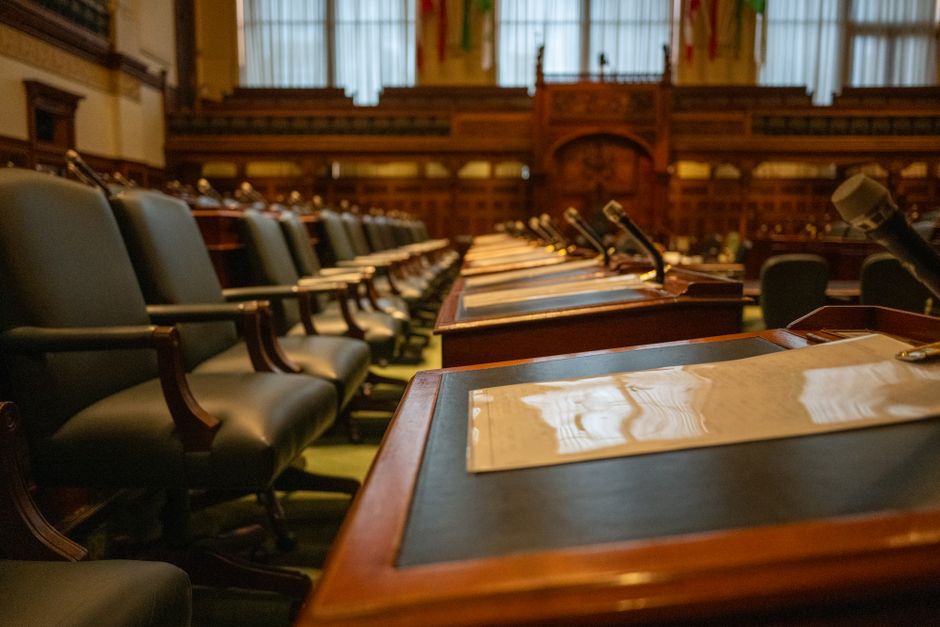
Why the House Rules Committee Holds Disproportionate Power

Why the House Rules Committee Holds Disproportionate Power

⏱️ 5 min read

Why the House Rules Committee Holds Disproportionate Power

Within the intricate machinery of the United States House of Representatives, few entities wield as much influence over the legislative process as the House Rules Committee. Often described as the "traffic cop" of the House, this committee exercises extraordinary control over which bills reach the floor, how they are debated, and what amendments can be offered. Understanding why this committee holds such disproportionate power requires examining its unique functions, historical evolution, and strategic importance in the modern legislative landscape.

The Gatekeeper Function

The House Rules Committee serves as the final checkpoint before legislation reaches the House floor for debate and voting. Unlike other standing committees that focus on specific policy areas, the Rules Committee's jurisdiction encompasses the very process by which all legislation is considered. This procedural authority translates into substantive power that few other committees can match.

When a bill is reported out of its committee of jurisdiction, it must typically go through the Rules Committee before floor consideration. The Rules Committee determines the "rule" under which the bill will be debated, establishing parameters that profoundly affect the legislation's fate. These parameters include the amount of time allocated for debate, whether amendments can be offered, and which specific amendments are permissible.

Types of Rules and Their Significance

The power of the Rules Committee becomes particularly evident when examining the different types of rules it can issue:

  • Open Rules: Allow any member to offer amendments that comply with House procedures, providing maximum flexibility but potentially lengthy debate
  • Structured Rules: Permit only specific amendments that the Rules Committee has designated as in order
  • Closed Rules: Prohibit all amendments except those offered by the committee that reported the bill
  • Modified Rules: Various hybrid approaches that fall between open and closed rules

By selecting which type of rule to grant, the committee can effectively shape legislative outcomes. A closed rule protects leadership priorities from potentially troublesome amendments, while an open rule might be used strategically when the majority is confident in its position or seeks to demonstrate transparency.

The Speaker's Instrument

The disproportionate power of the Rules Committee is intimately connected to its relationship with the Speaker of the House. Unlike most committees, where members are assigned through a more distributed process, the Rules Committee composition is heavily influenced by the Speaker. The majority party maintains a significant numerical advantage on this committee—typically a nine-to-four ratio—ensuring that the Speaker's legislative priorities receive favorable treatment.

This arrangement effectively makes the Rules Committee an extension of the Speaker's office. Members appointed to the committee are generally loyal to the leadership and can be counted on to advance the majority party's agenda. This close relationship means that when the Rules Committee acts, it often reflects the will of the House leadership rather than functioning as an independent deliberative body.

Historical Evolution of Power

The Rules Committee has not always wielded such concentrated authority. In the early twentieth century, the committee operated with considerable independence, sometimes obstructing the wishes of party leadership. The 1910 revolt against Speaker Joseph Cannon stripped the Speaker of the chairmanship of the Rules Committee, leading to a period where the committee exercised autonomous power, occasionally blocking leadership priorities.

However, reforms in the 1970s and subsequent decades shifted power back toward the Speaker, who gained greater control over Rules Committee appointments. This transformation converted the committee from a potential obstacle to party leadership into one of its most reliable instruments. The modern Rules Committee rarely defies the Speaker, making it a predictable and powerful tool for controlling the legislative agenda.

Strategic Advantages in Legislative Warfare

The Rules Committee's power manifests in several strategic advantages for the majority party:

Agenda Control

By determining which bills receive rules and when, the committee helps the majority party set legislative priorities and timing. Bills that leadership wants to advance receive favorable rules and quick consideration, while less favored legislation can languish without ever receiving a rule.

Amendment Screening

Through structured and closed rules, the committee prevents politically damaging amendments from reaching the floor. This protects members from having to take difficult votes and helps ensure that bills emerge from the House in a form acceptable to leadership.

Minority Limitation

The committee's procedures can significantly limit the minority party's ability to influence legislation. By restricting amendments and debate time, the majority can move its agenda forward with minimal interference from the opposition.

Criticism and Democratic Concerns

The concentration of power in the Rules Committee has generated persistent criticism from both scholars and practitioners. Critics argue that the committee's gatekeeping function undermines democratic deliberation by preventing full consideration of alternative approaches. When closed or highly structured rules predominate, individual members—particularly those in the minority—have limited opportunity to shape legislation or offer constituents' perspectives.

The increasing use of restrictive rules over recent decades has intensified these concerns. Data shows that open rules have become increasingly rare, with the majority of significant legislation now considered under closed or structured rules. This trend has reduced the House's character as a truly deliberative body and concentrated legislative power in the hands of leadership.

Conclusion

The House Rules Committee's disproportionate power stems from its unique procedural jurisdiction, close relationship with the Speaker, and strategic importance in advancing the majority party's agenda. By controlling the terms under which legislation is debated and voted upon, the committee exercises influence that extends far beyond its size or formal authority. While this concentrated power enables efficient advancement of the majority's priorities, it also raises important questions about democratic deliberation and minority rights in the legislative process. Understanding the Rules Committee's role is essential for anyone seeking to comprehend how the modern House of Representatives actually functions versus its idealized image as a forum for open debate and democratic decision-making.