










1 / 10 Questions
0 Points

How often do sloths climb down to poop?

Once a week

Once a month

Twice a day

Once a day

Points won
0
Correct score
0%

More Questions

More Articles

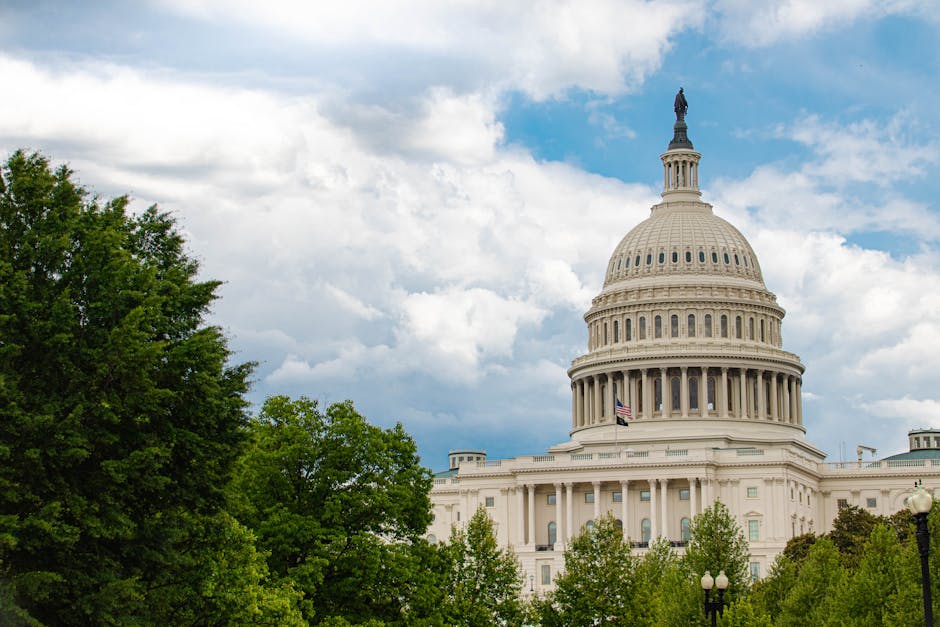
Did You Know? 8 Facts About Congressional Code of Conduct

Did You Know? 8 Facts About Congressional Code of Conduct

⏱️ 6 min read

Did You Know? 8 Facts About Congressional Code of Conduct

The United States Congress operates under a comprehensive set of ethical guidelines designed to maintain public trust and ensure that elected officials conduct themselves with integrity. While many Americans are familiar with the basic functions of Congress, fewer understand the detailed code of conduct that governs the behavior of senators and representatives. These rules address everything from financial disclosures to gift acceptance, helping to prevent conflicts of interest and corruption. Here are eight important facts about the Congressional Code of Conduct that every citizen should know.

1. The Code of Conduct Was Formalized in the 1960s

While Congress has had various ethics rules throughout American history, the modern Congressional Code of Conduct took shape during the 1960s and 1970s. The House of Representatives established its Committee on Standards of Official Conduct in 1967, while the Senate created its Select Committee on Ethics in 1964. These developments came in response to several scandals and a growing public demand for transparency and accountability in government. The formal codification of ethical standards represented a significant shift toward institutionalized oversight of congressional behavior, moving beyond informal norms to enforceable rules with specific consequences for violations.

2. Gift Restrictions Are Strictly Enforced

One of the most stringent aspects of the Congressional Code of Conduct involves limitations on gifts. Members of Congress and their staff are generally prohibited from accepting gifts valued at more than minimal amounts from lobbyists and organizations that employ lobbyists. Currently, the gift rule limits most gifts to less than $50, with an annual aggregate limit of $100 from any single source. There are specific exceptions for certain items such as home-state products of minimal value, educational materials, and gifts from family members. These restrictions aim to prevent the appearance of impropriety and ensure that legislative decisions are not influenced by personal benefits. Violations can result in fines, reprimands, or more serious disciplinary actions.

3. Financial Disclosure Requirements Are Extensive

Transparency in personal finances is a cornerstone of congressional ethics. All members of Congress must file annual Financial Disclosure Statements that detail their income, assets, liabilities, and financial transactions. These reports must include information about their spouse's and dependent children's finances as well. The disclosure requirements cover stock transactions, real estate holdings, outside income, and any positions held in organizations. These reports are made available to the public, allowing constituents and watchdog organizations to scrutinize potential conflicts of interest. The disclosure requirements help ensure that members' personal financial interests do not compromise their ability to serve the public interest.

4. Outside Income Is Limited and Regulated

Members of Congress face strict limitations on outside earned income. Currently, senators and representatives cannot earn more than 15 percent of their annual congressional salary from outside sources such as speaking fees, teaching positions, or other employment. This rule prevents members from using their official positions to generate excessive personal income and helps ensure they remain focused on their legislative duties. Certain types of income, such as royalties from books written before taking office or income from family businesses in which the member plays no active role, may have different rules. These limitations demonstrate Congress's recognition that public service should be a primary focus, not a platform for personal enrichment.

5. The "Revolving Door" Has Cooling-Off Periods

To address concerns about former members of Congress immediately becoming lobbyists, ethics rules establish mandatory cooling-off periods. Former House members must wait one year before lobbying their former colleagues, while former senators face a two-year restriction. Senior staff members also face limitations, typically one year for House staff and varying periods for Senate staff depending on their positions. These rules aim to prevent former members from leveraging their insider knowledge, relationships, and access for immediate personal gain. However, critics argue these periods should be longer, as even after the cooling-off period expires, former members often command substantial salaries as lobbyists due to their congressional experience and connections.

6. Campaign Funds and Official Funds Must Remain Separate

The Code of Conduct requires strict separation between campaign activities and official congressional business. Members cannot use official staff, resources, or facilities for campaign purposes, though some limited exceptions exist for activities that serve both official and political purposes. Official congressional funds, provided by taxpayers for constituent services and legislative work, must not be commingled with campaign contributions. Additionally, members cannot convert campaign funds to personal use, though the definition of permissible campaign-related expenses can sometimes be broad. Violations of these rules can result in ethics investigations, and in some cases, criminal prosecution if the misuse is severe enough to constitute fraud or embezzlement.

7. Travel Restrictions Prevent Junkets and Conflicts

Congressional ethics rules impose significant restrictions on travel paid for by private entities. While fact-finding trips and educational travel can be legitimate parts of a legislator's duties, the rules aim to prevent inappropriate "junkets" to luxury destinations at the expense of special interests. Travel must be related to official duties, and detailed public disclosure is required for privately sponsored trips. The rules limit the duration of trips, prohibit certain amenities, and require that family members pay their own way if they accompany the member. These restrictions were strengthened following several high-profile scandals involving lavish trips that appeared designed more to influence lawmakers than to educate them on policy matters.

8. Each Chamber Has Its Own Ethics Committee With Enforcement Powers

Both the House and Senate maintain separate ethics committees with the authority to investigate alleged violations and recommend disciplinary actions. The House Committee on Ethics and the Senate Select Committee on Ethics operate independently, investigating complaints from various sources including fellow members, outside organizations, and media reports. These committees can issue sanctions ranging from letters of reproval to recommendations for expulsion from Congress. The committees also provide guidance to members on ethical questions and conduct training for new members and staff. While these bodies have faced criticism for being too lenient or too political, they represent an important mechanism for self-regulation within Congress and provide a formal process for addressing ethical concerns.

Conclusion

The Congressional Code of Conduct represents an evolving framework designed to maintain ethical standards in America's legislative branch. From gift restrictions and financial disclosures to travel limitations and post-service lobbying restrictions, these eight aspects of congressional ethics rules reveal a comprehensive approach to preventing corruption and conflicts of interest. While debates continue about whether these rules go far enough or are adequately enforced, they demonstrate Congress's recognition that public service requires adherence to higher standards of conduct. Understanding these rules helps citizens hold their elected representatives accountable and reinforces the fundamental principle that members of Congress serve the public interest, not their own personal gain. As public expectations for transparency and integrity continue to evolve, the Congressional Code of Conduct will likely continue to adapt to address new challenges and concerns.

Top 10 Ways Collaborative Journalism Covers Big Stories

Top 10 Ways Collaborative Journalism Covers Big Stories

⏱️ 6 min read

Top 10 Ways Collaborative Journalism Covers Big Stories

In an era of increasingly complex global events and sophisticated information networks, collaborative journalism has emerged as a powerful force in uncovering truth and holding power accountable. When multiple news organizations, journalists, and media outlets pool their resources, expertise, and investigative capabilities, they can tackle stories of unprecedented scale and complexity. This cooperative approach has revolutionized how major investigations are conducted and has led to some of the most significant exposés in modern journalism history. Here are the top ten ways collaborative journalism effectively covers big stories.

1. Cross-Border Investigations

Collaborative journalism excels at investigating stories that transcend national boundaries. When journalists from different countries work together, they can follow money trails, track individuals, and uncover patterns that would be impossible for a single newsroom to detect. The Panama Papers investigation exemplifies this approach, where journalists from over 80 countries collaborated to expose offshore tax havens and financial misconduct affecting global leaders and corporations. This cross-border cooperation allows for simultaneous publication in multiple languages and jurisdictions, maximizing impact and preventing suppression of information in any single country.

2. Resource Pooling and Cost Sharing

Major investigative stories often require significant financial investments in travel, document analysis, legal support, and specialized expertise. Through collaboration, news organizations can share these substantial costs while maintaining editorial independence. Smaller outlets that might lack the budget for extensive investigations can participate alongside larger media organizations, democratizing access to big stories. This resource pooling enables projects that might otherwise be financially unfeasible, ensuring important stories reach the public regardless of any single outlet's financial constraints.

3. Specialized Expertise Integration

Complex stories often require diverse skill sets including data analysis, legal expertise, technical knowledge, and regional understanding. Collaborative journalism brings together specialists from various fields and backgrounds. A team might include data journalists who can analyze massive datasets, legal experts who understand regulatory frameworks, investigative reporters with source networks, and technologists who can process encrypted or complex digital information. This integration of specialized knowledge ensures comprehensive coverage of multifaceted stories that demand expertise beyond any single journalist's capabilities.

4. Enhanced Source Protection

When multiple organizations collaborate on sensitive investigations, they can implement stronger security protocols to protect whistleblowers and confidential sources. The distributed nature of collaborative work makes it more difficult for powerful entities to intimidate or silence sources through legal action or other pressure tactics. Multiple organizations can share the legal burden and provide mutual support when facing attempts to compel source disclosure. This enhanced protection encourages more sources to come forward with crucial information, knowing they have the backing of a coalition rather than a single outlet.

5. Data Sharing and Analysis

Modern investigations increasingly rely on massive datasets that require sophisticated analysis tools and techniques. Collaborative journalism enables the sharing of data between trusted partners, allowing multiple teams to analyze information from different angles simultaneously. Organizations can contribute their own data to create more comprehensive datasets while using shared secure platforms for collaborative analysis. This approach proved invaluable in investigations like the Paradise Papers and FinCEN Files, where millions of documents required coordinated analysis to identify newsworthy patterns and connections across jurisdictions.

6. Geographic Coverage Expansion

Big stories often have local angles in multiple locations that require on-the-ground reporting. Collaborative networks enable comprehensive geographic coverage by leveraging local journalists who understand regional contexts, languages, and cultural nuances. A story about environmental pollution might have implications in dozens of communities, and collaborative partnerships allow for simultaneous local reporting across all affected areas. This geographic diversity ensures stories are told with appropriate context and that local impacts aren't overlooked in favor of national or international narratives.

7. Coordinated Publication Strategy

One of the most powerful aspects of collaborative journalism is the ability to publish simultaneously across multiple platforms and countries. This coordinated approach creates maximum impact, generating widespread public attention and making it difficult for subjects of investigations to contain or discredit the reporting. When stories break simultaneously in major publications across continents, they command immediate global attention and become harder to ignore or suppress. This coordination also ensures consistent messaging while allowing each outlet to emphasize angles most relevant to their audiences.

8. Legal Risk Distribution

Investigative journalism often faces legal challenges from powerful individuals and organizations seeking to prevent publication or punish reporters. Collaborative journalism distributes this legal risk across multiple entities, making it more difficult and expensive for adversaries to pursue legal action against everyone involved. If one organization faces a lawsuit or legal threat in a particular jurisdiction, others can continue reporting and publishing. This distributed risk model strengthens press freedom by making it financially and practically difficult to silence entire collaborative networks through litigation.

9. Peer Review and Fact-Checking

When multiple newsrooms work together, they create built-in peer review mechanisms that enhance accuracy and credibility. Journalists from different organizations can verify each other's findings, challenge assumptions, and identify potential weaknesses before publication. This collaborative fact-checking process is especially valuable for complex investigations where errors could undermine the entire project. The involvement of multiple reputable organizations also adds credibility to findings, as audiences recognize that various independent journalists have vetted the information rather than relying on a single source.

10. Sustained Follow-Up Coverage

Big stories rarely end with initial publication—they require sustained follow-up reporting to track developments, consequences, and policy changes. Collaborative networks can maintain long-term focus on important stories by sharing the burden of continued coverage. While public attention may shift, collaborative partnerships ensure someone continues monitoring developments and reporting updates. This sustained attention increases accountability and ensures initial investigations lead to meaningful change rather than being forgotten after the initial media cycle ends.

Conclusion

Collaborative journalism represents a fundamental evolution in how major stories are investigated and reported. Through cross-border cooperation, resource sharing, specialized expertise integration, enhanced source protection, sophisticated data analysis, expanded geographic coverage, coordinated publication, distributed legal risk, rigorous peer review, and sustained follow-up, collaborative networks can tackle stories of unprecedented scope and complexity. As stories become increasingly global and interconnected, and as individual newsrooms face resource constraints, collaborative journalism will continue growing in importance. These ten approaches demonstrate how cooperation among journalists and news organizations strengthens democracy, enhances accountability, and ensures that crucial stories reach the public despite obstacles and opposition. The future of investigative journalism increasingly depends on these collaborative methods to expose wrongdoing and inform citizens in an complex, interconnected world.