









1 / 10 Questions
0 Points

What planet spins on its side like a rolling ball?

Jupiter

Neptune

Saturn

Uranus

Points won
0
Correct score
0%

More Questions

More Articles

Did You Know? 10 Facts About U.S. Participation in Peacekeeping

Did You Know? 10 Facts About U.S. Participation in Peacekeeping

⏱️ 5 min read

Did You Know? 10 Facts About U.S. Participation in Peacekeeping

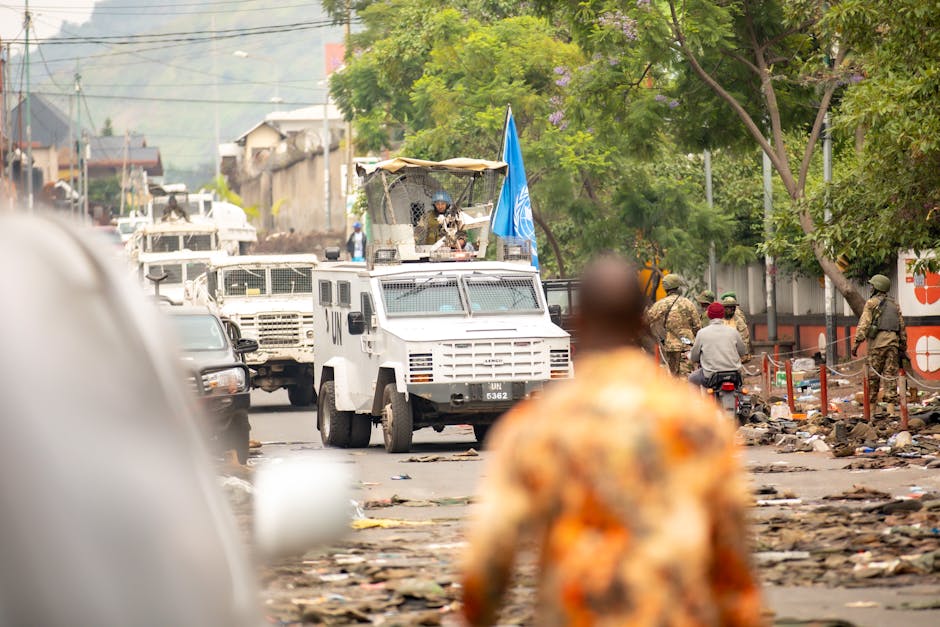
The United States has played a complex and often misunderstood role in international peacekeeping operations since the establishment of the United Nations in 1945. While the U.S. is frequently associated with unilateral military action, its contributions to multilateral peacekeeping missions have been substantial, multifaceted, and evolving. Understanding America's involvement in peacekeeping provides crucial insight into both U.S. foreign policy and the broader architecture of international security. Here are ten essential facts about U.S. participation in peacekeeping that illuminate this important dimension of global affairs.

1. The United States is the Largest Financial Contributor to UN Peacekeeping

Despite deploying relatively few troops to UN peacekeeping missions, the United States remains the largest financial contributor to UN peacekeeping operations. The U.S. is assessed approximately 27% of the total peacekeeping budget, which amounts to billions of dollars annually. This financial commitment reflects both America's economic capacity and its permanent seat on the UN Security Council, where peacekeeping mandates are authorized. The substantial funding helps support over 70,000 peacekeepers deployed worldwide in more than a dozen active missions.

2. American Troop Contributions Have Significantly Declined Since the 1990s

While the U.S. once deployed thousands of troops to UN peacekeeping missions, particularly during operations in Somalia and the Balkans in the 1990s, current troop contributions are minimal. As of recent years, the United States typically has fewer than 50 military personnel serving in UN peacekeeping missions globally. This dramatic reduction stems largely from policy shifts following controversial operations in Somalia and concerns about placing U.S. forces under UN command structures.

3. The U.S. Prefers Coalition Operations Outside the UN Framework

Rather than participating directly in UN-led peacekeeping missions, the United States often engages in stability operations through NATO, coalition forces, or bilateral arrangements. Operations in Kosovo, Afghanistan, and Iraq exemplify this preference for maintaining greater operational control and command authority. These missions, while sometimes serving similar peacekeeping functions, operate under different legal frameworks and command structures than traditional UN peacekeeping operations.

4. Presidential Decision Directive 25 Fundamentally Changed U.S. Peacekeeping Policy

Issued by President Bill Clinton in 1994 following the tragic events in Somalia, Presidential Decision Directive 25 (PDD-25) established stringent criteria for U.S. participation in peacekeeping operations. The directive required that missions serve U.S. national interests, have clear objectives, appropriate resources, and realistic exit strategies. This policy framework continues to influence American peacekeeping decisions decades later, emphasizing selectivity and national interest calculations.

5. The U.S. Provides Critical Logistical and Intelligence Support

Although troop contributions are limited, the United States provides invaluable logistical support, transportation, intelligence sharing, and training to UN peacekeeping operations. American military airlift capabilities, satellite intelligence, and specialized equipment significantly enhance mission effectiveness. This support often proves more valuable than additional boots on the ground, enabling peacekeepers from other nations to operate more effectively in challenging environments.

6. America Leads Global Peacekeeping Training Initiatives

The United States has established numerous programs to train peacekeepers from other nations, particularly African countries that contribute the majority of UN peacekeeping personnel. Through initiatives like the Global Peace Operations Initiative (GPOI) and its predecessors, the U.S. has trained and equipped hundreds of thousands of peacekeepers worldwide. These capacity-building efforts represent a significant American contribution to international peacekeeping infrastructure.

7. The First UN Peacekeeping Mission Had Strong U.S. Support

The United Nations Truce Supervision Organization (UNTSO), established in 1948 to monitor the Arab-Israeli truce, marked the beginning of UN peacekeeping. The United States played a crucial role in supporting this mission's creation and has maintained consistent backing for peacekeeping as a tool for managing international conflicts. This early support established precedents for U.S. engagement with multilateral peace operations.

8. Congressional Skepticism Shapes U.S. Peacekeeping Policy

The U.S. Congress has historically exhibited skepticism toward UN peacekeeping, periodically withholding assessed contributions and imposing caps on the percentage of peacekeeping budgets America will fund. Legislative restrictions have sometimes limited presidential flexibility in supporting peacekeeping operations. This tension between executive branch foreign policy goals and congressional budget authority creates ongoing challenges for consistent U.S. peacekeeping engagement.

9. U.S. Military Personnel Serve in Key Leadership Positions

While overall troop numbers are low, American military officers frequently serve in senior leadership, planning, and advisory roles within UN peacekeeping operations and the UN Department of Peace Operations. These positions allow the U.S. to maintain influence over peacekeeping strategy and operations while limiting direct troop commitments. American expertise in logistics, planning, and military operations proves valuable in these leadership capacities.

10. The U.S. Champions Peacekeeping Reform and Accountability

The United States has been a leading voice calling for peacekeeping reform, advocating for improved mission planning, better protection of civilians, enhanced accountability for misconduct, and more efficient resource utilization. American pressure has contributed to significant reforms in areas such as preventing sexual exploitation and abuse by peacekeepers, improving performance evaluation systems, and establishing clearer mandates for missions. These reform efforts aim to make peacekeeping more effective and credible.

Conclusion

U.S. participation in international peacekeeping represents a nuanced approach that balances support for multilateral conflict management with concerns about sovereignty, command authority, and national interests. While troop contributions remain minimal, American financial support, logistical capabilities, training programs, and diplomatic engagement make the United States an indispensable partner in the global peacekeeping enterprise. Understanding these ten facts provides essential context for evaluating both the strengths and limitations of U.S. peacekeeping policy. As global conflicts evolve and new challenges emerge, America's role in peacekeeping will continue adapting, requiring ongoing dialogue about how best to contribute to international peace and security while protecting national interests and values.
Top 10 Freshman Lawmakers Making Waves This Session

Top 10 Freshman Lawmakers Making Waves This Session

⏱️ 6 min read

Top 10 Freshman Lawmakers Making Waves This Session

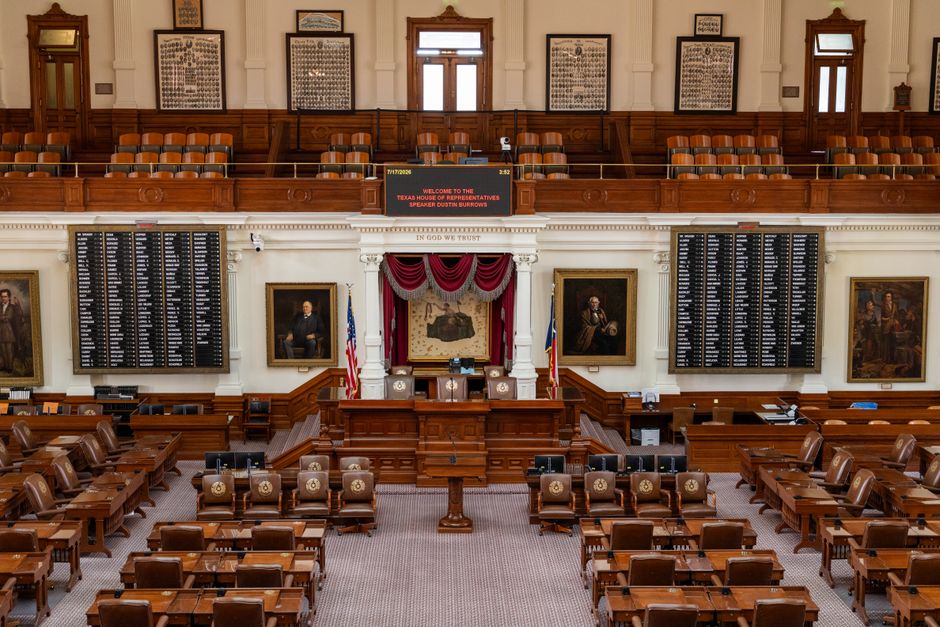
Every congressional session brings a fresh wave of newly elected representatives to Capitol Hill, each bringing unique perspectives, policy priorities, and leadership styles. While freshman lawmakers traditionally take time to find their footing in the complex world of federal legislation, some make an immediate impact through their advocacy, committee work, and ability to build coalitions. This session has proven particularly noteworthy for the caliber and diversity of incoming legislators who have wasted no time in establishing themselves as influential voices in the national conversation. From introducing landmark legislation to challenging established norms, these ten freshman lawmakers are already leaving their mark on American governance.

1. Representative Maxwell Chen (D-California)

Representative Chen has emerged as a leading voice on artificial intelligence regulation and technology policy. As a former Silicon Valley entrepreneur, he brings invaluable private sector experience to the House Science, Space, and Technology Committee. Chen has already introduced comprehensive legislation addressing AI safety standards and algorithmic transparency, earning bipartisan support for his pragmatic approach to tech regulation. His ability to translate complex technological concepts into accessible policy proposals has made him a go-to resource for colleagues seeking to understand the implications of emerging technologies.

2. Representative Sarah Williams (R-Texas)

Representative Williams has quickly established herself as a formidable presence on the House Armed Services Committee. A decorated military veteran with three combat deployments, Williams brings firsthand experience to debates on defense policy and veterans' affairs. She has been instrumental in pushing for increased mental health resources for service members and has championed bipartisan legislation to streamline the veterans' benefits claims process. Her military background and compelling personal story have made her an effective advocate for defense modernization while maintaining fiscal responsibility.

3. Representative James Thompson (D-Michigan)

Representative Thompson has made significant strides in advancing labor rights and manufacturing policy. As a former auto worker and union organizer, Thompson provides a working-class perspective often underrepresented in congressional debates. He has introduced legislation aimed at strengthening collective bargaining rights and protecting American manufacturing jobs. His passionate floor speeches and constituent-focused approach have resonated beyond his district, earning him recognition as a rising progressive voice with deep roots in the industrial Midwest.

4. Representative Maria Rodriguez (D-Arizona)

Representative Rodriguez has become a central figure in immigration reform discussions, bringing both legal expertise as a former immigration attorney and personal experience as the daughter of immigrants. She serves on the House Judiciary Committee and has been working to craft comprehensive immigration legislation that addresses border security while creating pathways to citizenship. Rodriguez's ability to engage in substantive policy discussions while maintaining empathy for immigrant communities has positioned her as a bridge-builder on one of the most contentious issues facing Congress.

5. Representative David Park (R-Georgia)

Representative Park has distinguished himself through his focus on fiscal conservatism and government efficiency. As a former state legislator and businessman, Park has introduced multiple bills aimed at reducing regulatory burdens on small businesses and streamlining federal bureaucracy. His appointment to the House Budget Committee has given him a platform to advocate for spending reforms and tax policies that he argues will promote economic growth. Park's detailed policy proposals and willingness to challenge both parties on budgetary matters have earned him respect from fiscal watchdog organizations.

6. Representative Jennifer Martinez (D-Colorado)

Representative Martinez has emerged as a leading environmental advocate, particularly on issues affecting Western states. A former environmental scientist, she brings technical expertise to the House Natural Resources Committee. Martinez has introduced legislation addressing water conservation, renewable energy development on public lands, and wildfire prevention. Her science-based approach and ability to work with rural communities dependent on natural resources have demonstrated that environmental protection and economic development need not be mutually exclusive.

7. Representative Robert Johnson (R-Florida)

Representative Johnson has made healthcare policy his primary focus, drawing on his experience as a physician who practiced for over twenty years. He has proposed innovative solutions to reduce prescription drug costs and expand telemedicine access, particularly in rural areas. Johnson's medical background lends credibility to his healthcare reform proposals, and his willingness to work across the aisle has resulted in several bipartisan healthcare initiatives. His patient-centered approach and real-world clinical experience have added valuable perspective to congressional healthcare debates.

8. Representative Amanda Foster (D-Pennsylvania)

Representative Foster has quickly become known for her work on education policy and workforce development. A former public school teacher and education administrator, Foster serves on the House Education and Labor Committee where she has championed increased funding for Title I schools and expanded access to career and technical education programs. Her legislation addressing student debt relief and teacher recruitment has gained significant attention. Foster's grassroots organizing skills and deep connections to education advocacy groups have helped her build coalitions supporting meaningful education reform.

9. Representative Michael Chang (R-North Carolina)

Representative Chang has focused his efforts on advancing innovation and entrepreneurship policy. As the founder of multiple successful startups, Chang brings a unique entrepreneurial perspective to Congress. He has introduced legislation to reform patent laws, increase access to venture capital for underrepresented entrepreneurs, and reduce barriers to starting small businesses. His work on the House Small Business Committee has focused on creating an economic environment that fosters innovation while protecting consumers. Chang's business acumen and policy proposals have attracted attention from both the tech industry and economic policy experts.

10. Representative Lisa Anderson (D-Minnesota)

Representative Anderson has established herself as a champion of rural America and agricultural policy. A fourth-generation farmer, Anderson serves on the House Agriculture Committee where she has advocated for farm bill provisions that support family farms and promote sustainable agricultural practices. She has introduced legislation addressing rural broadband access, agricultural research funding, and farm succession planning. Anderson's authentic connection to rural communities and her ability to articulate how federal policy affects farmers and rural residents have made her an influential voice in agricultural policy debates.

Conclusion

These ten freshman lawmakers represent the diversity of backgrounds, experiences, and policy priorities that characterize the current Congress. From technology and defense to healthcare and agriculture, they are addressing critical issues facing the nation while bringing fresh perspectives to longstanding challenges. What unites these legislators is their willingness to engage substantively with complex policy questions, their commitment to their constituents, and their ability to build relationships across partisan divides when necessary. As they continue to develop their legislative portfolios and expand their influence, these freshman lawmakers are proving that newcomers to Congress can indeed make immediate and meaningful contributions to the national dialogue. Their early success suggests they will remain significant figures in American politics for years to come, shaping policy debates and potentially rising to leadership positions as their careers progress.