






1 / 10 Questions
0 Points

What fruit was banned in the US for nearly 50 years?

Blackcurrants

Gooseberries

Elderberries

Lingonberries

Points won
0
Correct score
0%

More Questions

More Articles

Did You Know? 9 Facts About Congressional Staff Turnover

Did You Know? 9 Facts About Congressional Staff Turnover

⏱️ 6 min read

Did You Know? 9 Facts About Congressional Staff Turnover

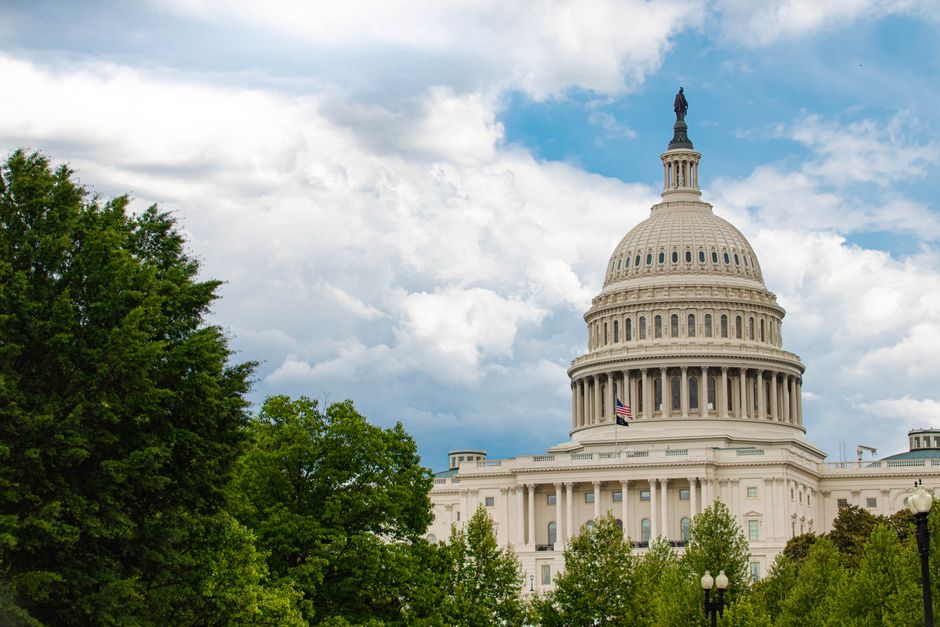
The United States Congress operates as one of the most influential legislative bodies in the world, but behind every member of Congress stands a dedicated team of staff members who research legislation, communicate with constituents, and keep the gears of democracy turning. However, the stability of this workforce is anything but guaranteed. Congressional staff turnover represents a significant and often overlooked aspect of how Capitol Hill functions, affecting everything from institutional knowledge to policy development. Understanding the dynamics of staff turnover provides crucial insight into the operational challenges facing Congress and the broader implications for American governance.

1. Turnover Rates Are Significantly Higher Than Private Sector Averages

Congressional staff experience turnover rates that far exceed those found in typical private sector employment. Studies have shown that annual turnover rates for congressional staff can range between 30% and 40%, with some offices experiencing even higher rates. This contrasts sharply with the private sector average of approximately 15% to 20% annually. The demanding nature of congressional work, combined with relatively modest compensation compared to similar positions in the private sector, contributes to this elevated turnover rate. This constant churn of personnel creates ongoing challenges for congressional offices attempting to maintain continuity and institutional knowledge.

2. Junior Staffers Leave More Frequently Than Senior Personnel

Entry-level and junior congressional staffers demonstrate the highest turnover rates, often leaving their positions within two to three years of hiring. Staff assistants, legislative correspondents, and junior legislative assistants frequently use congressional positions as stepping stones to other career opportunities. Many transition to lobbying firms, advocacy organizations, or private sector positions where they can leverage their Capitol Hill experience for substantially higher compensation. Senior staffers, including chiefs of staff and legislative directors, tend to remain in their positions longer, though they too eventually migrate to more lucrative opportunities or return to their home states.

3. Election Cycles Drive Predictable Turnover Patterns

Congressional staff turnover follows distinct cyclical patterns tied to the electoral calendar. Following each election, particularly after a change in party control or when a member retires or loses reelection, entire office staffs may turn over completely. Even when incumbents win reelection, the post-election period typically sees elevated staff departures as employees reassess their career paths. Additionally, the transition between congressional sessions often triggers waves of departures, as staffers wait for natural breaking points to make career changes. These predictable patterns can leave offices particularly vulnerable during critical legislative periods.

4. Committee Staff Generally Experience Lower Turnover

Staff members working for congressional committees typically enjoy longer tenures than their counterparts in individual member offices. Committee positions often offer greater specialization opportunities, more exposure to substantive policy work, and sometimes better compensation. The institutional nature of committee work, which continues regardless of individual member turnover, provides greater job security and stability. Committee staffers often develop deep expertise in specific policy areas, making them valuable assets that both parties seek to retain even when committee leadership changes hands.

5. Compensation Disparities Fuel the Revolving Door to K Street

One of the primary drivers of congressional staff turnover is the significant wage gap between Capitol Hill positions and comparable roles in the private sector, particularly lobbying firms on K Street. A legislative assistant with three to five years of experience on Capitol Hill might earn $50,000 to $70,000 annually, while a similar position at a lobbying firm or government relations practice could pay $100,000 or more. This compensation disparity creates a powerful incentive for experienced staffers to transition to the private sector, where they can monetize their legislative knowledge, relationships, and expertise. This "revolving door" phenomenon has raised concerns about potential conflicts of interest and the influence of special interests on the legislative process.

6. Burnout and Work-Life Balance Issues Contribute Significantly

The demanding nature of congressional work takes a substantial toll on staff wellbeing and contributes heavily to turnover. Congressional staffers regularly work evenings and weekends, particularly during legislative sessions or when Congress approaches critical deadlines. The expectation of constant availability, combined with the high-pressure environment and public scrutiny, leads to significant burnout. Many staffers report difficulty maintaining work-life balance, which becomes particularly challenging for those with families. The lifestyle demands of congressional employment, especially when coupled with modest compensation, prompt many talented individuals to seek more sustainable career options.

7. Loss of Institutional Knowledge Impairs Legislative Effectiveness

High turnover rates create substantial challenges for congressional operations by eroding institutional knowledge. Experienced staffers understand procedural nuances, maintain relationships with colleagues across the aisle, and possess historical context for policy debates. When these experienced professionals depart, their knowledge often leaves with them, as congressional offices rarely have robust systems for knowledge transfer and documentation. New staffers must climb steep learning curves, during which their effectiveness is limited. This constant need to train and onboard new personnel reduces overall legislative productivity and can result in repeated mistakes or overlooked opportunities for bipartisan cooperation.

8. Diversity and Representation Challenges Persist Due to Turnover

Congressional staff turnover intersects with ongoing challenges related to diversity and representation on Capitol Hill. The combination of modest entry-level salaries and the high cost of living in Washington, D.C., creates barriers for candidates from less affluent backgrounds. High turnover rates mean that Congress must continuously recruit and train new staffers, but systemic factors often result in new hires coming from similar demographic and socioeconomic backgrounds. When diverse staffers do join congressional offices, they may face unique challenges that contribute to even higher turnover rates, further perpetuating representation gaps. Addressing these issues requires not only improved recruitment efforts but also better retention strategies that create more inclusive and supportive workplace environments.

9. Recent Efforts to Address Turnover Include Compensation Reforms

Recognition of the congressional staffing crisis has prompted recent reform efforts aimed at improving retention. In 2022, Congress approved significant funding increases for member office budgets, with the explicit goal of enabling better staff compensation. Some offices have implemented minimum salary requirements and compressed pay scales to reduce disparities. Additionally, discussions continue about improving benefits, creating professional development opportunities, and addressing workplace culture issues. While these efforts represent meaningful steps forward, advocates argue that more comprehensive reforms are necessary to truly stabilize the congressional workforce and compete with private sector alternatives.

Conclusion

Congressional staff turnover represents far more than a simple human resources challenge; it fundamentally affects how Congress functions and serves the American people. From the significantly elevated turnover rates compared to the private sector to the loss of institutional knowledge and ongoing diversity challenges, these nine facts illustrate the complexity and consequences of staffing instability on Capitol Hill. While recent compensation reforms and retention efforts offer hope for improvement, addressing this issue comprehensively will require sustained attention and resources. The quality of governance depends not only on elected representatives but also on the experienced, dedicated staff members who support their work. Understanding and addressing congressional staff turnover is essential for maintaining an effective and responsive legislative branch.

Did You Know? 9 Facts About News Editorial Processes

Did You Know? 9 Facts About News Editorial Processes

⏱️ 6 min read

Did You Know? 9 Facts About News Editorial Processes

Behind every news story that reaches your screen or newspaper lies a complex editorial process that most readers never see. From the moment a journalist identifies a potential story to the final publication, news articles undergo rigorous scrutiny, fact-checking, and refinement. Understanding how news is created, vetted, and published can help readers better appreciate the journalistic process and develop stronger media literacy skills. Here are nine fascinating facts about how news editorial processes work in modern newsrooms.

1. The Editorial Hierarchy Involves Multiple Decision Makers

News organizations operate with a structured hierarchy that ensures quality control and editorial oversight. A typical newsroom includes reporters, assignment editors, section editors, copy editors, managing editors, and the editor-in-chief. Each level serves a specific purpose in the editorial chain. Reporters pitch and write stories, assignment editors determine which stories deserve coverage, section editors oversee specific beats or departments, copy editors refine language and check facts, and senior editors make final decisions about what gets published and where it appears. This multi-layered approach prevents individual bias from dominating coverage and ensures that multiple perspectives evaluate each story's newsworthiness and accuracy.

2. Morning Editorial Meetings Set the Day's Agenda

Most major news organizations hold daily editorial meetings, typically in the morning, where editors and senior journalists discuss potential stories and allocate resources. During these meetings, the team reviews overnight developments, assesses breaking news, evaluates story pitches from reporters, and determines which stories deserve prominent placement. These meetings also involve budget discussions, where editors allocate reporters, photographers, and other resources to specific stories. The collaborative nature of these meetings ensures that the news organization's limited resources focus on the most important and relevant stories for their audience.

3. Story Selection Follows Established News Values

Editors don't arbitrarily choose which stories to cover. Instead, they apply traditional news values that have guided journalism for decades. These values include timeliness (how recent is the information), proximity (how close to the audience), prominence (involvement of notable figures), consequence (impact on readers' lives), human interest (emotional appeal), and conflict (tension or controversy). Stories that satisfy multiple news values typically receive priority. However, modern newsrooms also consider digital metrics, social media trends, and audience engagement data when making editorial decisions, balancing traditional journalistic judgment with contemporary reader interests.

4. Fact-Checking Occurs at Multiple Stages

Contrary to the perception that fact-checking happens only after writing, verification occurs throughout the entire editorial process. Reporters verify information during research and interviews, checking sources and corroborating claims before writing. Copy editors then review the story for factual accuracy, logical consistency, and proper attribution. Many major publications employ dedicated fact-checkers who independently verify claims, statistics, and quotes. In investigative journalism, fact-checking can be even more intensive, with legal teams reviewing stories for potential libel issues before publication. This multi-stage verification process serves as a critical safeguard against misinformation and protects both readers and the publication from errors.

5. Headlines Are Written by Editors, Not Reporters

Most readers don't realize that journalists rarely write their own headlines. Copy editors or dedicated headline writers craft these crucial elements, often without consulting the original reporter. This division of labor exists because headline writing requires specific skills—condensing complex stories into compelling, accurate, and properly sized text that fits layout requirements. However, this separation can sometimes lead to headlines that don't perfectly capture a story's nuance or that emphasize different aspects than the reporter intended. In the digital age, headlines have become even more critical for attracting clicks and social media shares, leading to ongoing debates about maintaining accuracy while maximizing engagement.

6. Legal Review Protects Against Defamation and Liability

Before publication, potentially controversial or sensitive stories undergo legal review to protect the news organization from lawsuits. Media lawyers examine stories for defamation risks, privacy violations, copyright infringement, and other legal concerns. They assess whether sources are properly attributed, whether potentially defamatory statements are protected by privilege or fair comment defenses, and whether the story could expose the organization to legal liability. Investigative pieces, stories about public figures, and articles making serious allegations receive particularly thorough legal scrutiny. This legal oversight doesn't mean censoring truthful journalism, but rather ensuring that stories are legally defensible and that claims are properly substantiated.

7. Digital and Print Editions Follow Different Timelines

The editorial process varies significantly between digital and print publications. Print newspapers work toward fixed deadlines, often closing their final edition late at night for next-morning delivery. Digital news operates continuously, with stories published immediately upon completion and updated throughout the day as new information emerges. This difference affects how editors prioritize and process stories. Breaking news receives immediate digital publication with ongoing updates, while print editions often provide deeper analysis and context since the immediate news may already be known to readers. Many newsrooms now maintain separate digital teams that work around the clock, fundamentally changing traditional editorial workflows.

8. Style Guides Ensure Consistency Across All Content

Professional news organizations rely on comprehensive style guides that standardize everything from grammar and punctuation to terminology and formatting. The Associated Press Stylebook remains the industry standard for most news organizations, though many publications maintain supplementary internal style guides addressing specific preferences or local issues. These guides cover matters like when to capitalize titles, how to format numbers and dates, preferred terminology for sensitive topics, and ethical guidelines for attribution and sourcing. Consistency isn't merely aesthetic—it builds credibility, aids reader comprehension, and establishes professional standards that distinguish quality journalism from amateur content.

9. Editorial Independence Remains Separate from Business Operations

A fundamental principle of journalistic integrity holds that editorial decisions should remain independent from business and advertising interests. This separation, often called the "church-state divide," means that the business side of a news organization—including advertising sales, marketing, and circulation—should not influence editorial content decisions. Editors decide what to cover based on news values and public interest, not what might please advertisers or business partners. While this wall has faced pressure in recent years due to financial challenges facing the news industry, maintaining editorial independence remains crucial for credibility and public trust. Most reputable news organizations have policies explicitly protecting this separation and clearly labeling any content that blurs these lines, such as sponsored content or advertorials.

Conclusion

The news editorial process represents a complex system of checks and balances designed to deliver accurate, relevant, and ethically produced journalism to the public. From hierarchical decision-making structures and collaborative editorial meetings to rigorous fact-checking and legal review, each step serves a specific purpose in maintaining journalistic standards. Understanding these nine facts about editorial processes helps readers appreciate the work involved in producing quality journalism and recognize the difference between professional news coverage and unvetted information. As media consumption evolves and new platforms emerge, these editorial processes continue adapting while preserving core principles of accuracy, fairness, and public service that define responsible journalism.