










1 / 10 Questions
0 Points

What part of the body is the patella?

Wrist

Elbow

Kneecap

Ankle

Points won
0
Correct score
0%

More Questions

More Articles

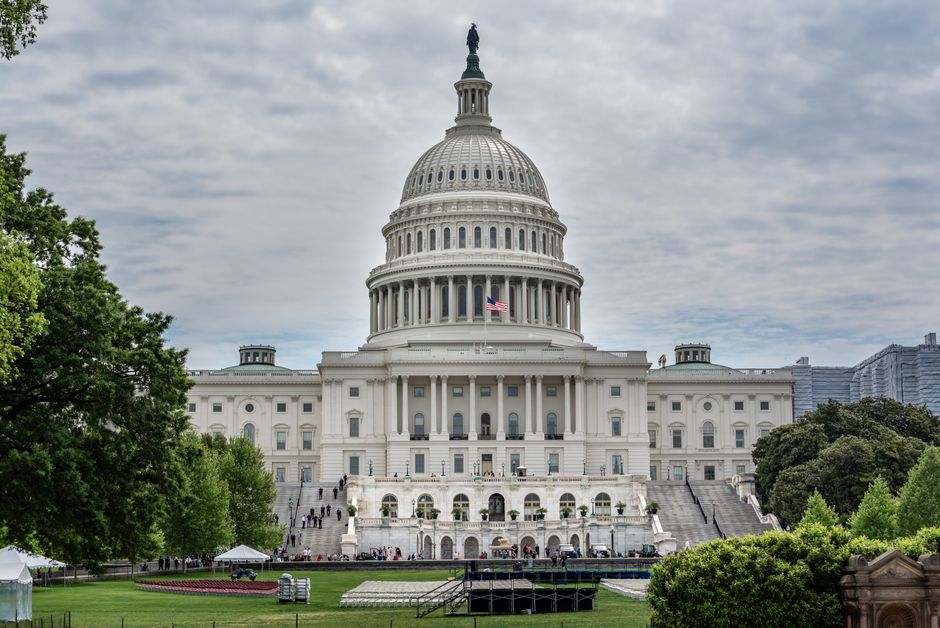
How the Senate Armed Services Committee Shapes Defense Policy

How the Senate Armed Services Committee Shapes Defense Policy

⏱️ 5 min read

How the Senate Armed Services Committee Shapes Defense Policy

The Senate Armed Services Committee stands as one of the most powerful and influential committees in the United States Congress, wielding substantial authority over the nation's defense infrastructure, military readiness, and national security policy. Established in 1946 as part of the Legislative Reorganization Act, this committee plays a critical role in shaping how America defends itself and projects power globally.

Jurisdiction and Responsibilities

The Senate Armed Services Committee holds jurisdiction over a vast array of defense-related matters that directly impact national security. This includes oversight of the Department of Defense, military operations, weapons systems procurement, military construction, nuclear energy defense programs, and the entire defense budget. The committee's reach extends to all branches of the armed forces—the Army, Navy, Air Force, Marine Corps, and Space Force—as well as defense agencies and military intelligence programs.

Beyond traditional military matters, the committee also exercises authority over critical defense issues such as strategic forces, emerging threats, cybersecurity as it relates to defense, and the defense industrial base. This broad mandate ensures that nearly every aspect of American military power falls under the committee's purview, making it essential to the functioning of national defense policy.

The Authorization Process

The committee's most significant legislative responsibility involves drafting and passing the National Defense Authorization Act (NDAA) each year. This comprehensive legislation authorizes funding levels and expenditures for the Department of Defense and establishes defense policy priorities. The NDAA has been passed consecutively for over six decades, making it one of the few must-pass pieces of legislation that Congress addresses annually.

Through the NDAA, the committee shapes defense policy by:

  • Setting personnel levels for active duty, reserve, and National Guard forces
  • Authorizing compensation and benefits for service members
  • Approving or rejecting major weapons systems and procurement programs
  • Establishing strategic priorities and military readiness standards
  • Directing defense reforms and organizational changes
  • Addressing emerging threats and technological challenges

The authorization process begins with hearings in which committee members receive testimony from defense officials, military leaders, and outside experts. These hearings inform the committee's decisions about funding priorities, strategic direction, and policy reforms. Following extensive deliberation, the committee marks up the bill, debating and voting on hundreds of amendments before sending it to the full Senate floor.

Oversight Functions

Beyond legislation, the Senate Armed Services Committee exercises rigorous oversight of the Department of Defense and military operations. This oversight function serves as a critical check on executive power, ensuring that defense programs operate efficiently, military operations align with congressional intent, and taxpayer dollars are spent responsibly.

Hearings and Investigations

The committee conducts numerous hearings throughout the year, calling upon senior defense officials, military commanders, and subject matter experts to testify on issues ranging from operational readiness to acquisition programs. These hearings serve multiple purposes: gathering information, highlighting problems, applying pressure for reforms, and creating public accountability for defense decisions.

When significant issues arise—such as cost overruns in major weapons programs, sexual assault in the military, or operational failures—the committee may launch more intensive investigations. These investigations can result in legislative reforms, policy changes, or even criminal referrals when wrongdoing is discovered.

Confirmation Authority

The committee holds exclusive jurisdiction over the confirmation of senior defense officials, including the Secretary of Defense, service secretaries, and high-ranking military officers. This confirmation power gives the committee substantial influence over who leads the nation's military establishment. During confirmation hearings, nominees face detailed questioning about their qualifications, policy views, and plans for their prospective positions. The committee's recommendation carries significant weight when nominations reach the full Senate for a vote.

Subcommittee Structure

To manage its extensive responsibilities, the Senate Armed Services Committee operates through several subcommittees, each focusing on specific aspects of defense policy:

  • Airland subcommittee, which handles Army and Air Force matters
  • Seapower subcommittee, covering Navy and Marine Corps issues
  • Strategic Forces subcommittee, dealing with nuclear weapons and space programs
  • Readiness and Management Support subcommittee, addressing military logistics and support
  • Emerging Threats and Capabilities subcommittee, focusing on new challenges and technologies
  • Personnel subcommittee, handling military personnel policies and benefits
  • Cybersecurity subcommittee, addressing digital threats to defense infrastructure

These subcommittees conduct specialized hearings, develop expertise in their respective areas, and draft portions of the annual defense authorization bill. This division of labor allows the committee to address the complex, technical nature of modern defense policy more effectively.

Bipartisan Tradition

Historically, the Senate Armed Services Committee has maintained a strong tradition of bipartisanship, with members from both parties working together on national security matters. This cooperative approach reflects a shared commitment to defending the nation that transcends partisan politics. While disagreements certainly occur—particularly on issues like defense spending levels, overseas military operations, or social policies within the military—the committee has generally succeeded in producing bipartisan legislation.

This bipartisan cooperation enhances the committee's influence, as defense authorization bills typically pass with strong support from both parties. It also provides stability and continuity in defense policy, preventing dramatic shifts with each change in political control.

Impact on National Security

The Senate Armed Services Committee's influence extends far beyond Capitol Hill. Its decisions affect military readiness, force structure, weapons development, and strategic doctrine. The committee shapes how the United States responds to threats, develops new military capabilities, and maintains its global military presence. Through its oversight, the committee ensures civilian control of the military remains robust while providing the armed forces with the resources and policy framework needed to defend the nation effectively.

In an era of complex global threats, rapid technological change, and constrained budgets, the Senate Armed Services Committee's role in shaping defense policy remains more critical than ever to American national security.

The Real Cost of News Paywalls on Information Access

The Real Cost of News Paywalls on Information Access

⏱️ 5 min read

The Real Cost of News Paywalls on Information Access

The digital journalism landscape has undergone a dramatic transformation over the past two decades, with news paywalls becoming an increasingly common feature across media outlets worldwide. While these subscription barriers have proven essential for the financial survival of many news organizations, they raise critical questions about information accessibility, democratic participation, and the widening gap between those who can afford quality journalism and those who cannot.

The Rise of the Paywall Era

News paywalls emerged as a response to the collapse of traditional advertising revenue models that once sustained journalism. As audiences migrated online and digital advertising rates plummeted, media organizations found themselves in a precarious financial position. The New York Times pioneered its metered paywall in 2011, and since then, hundreds of publications have followed suit, ranging from major metropolitan dailies to specialized trade publications.

Today, paywalls come in various forms: hard paywalls that block all content, metered systems that allow a limited number of free articles per month, freemium models that reserve premium content for subscribers, and dynamic paywalls that adjust based on user behavior. Each model represents an attempt to balance revenue generation with audience reach.

The Financial Necessity Argument

Publishers defend paywalls as essential for maintaining quality journalism. Investigative reporting, foreign correspondence, and in-depth analysis require significant resources. Salaries for experienced journalists, fact-checkers, editors, and support staff represent substantial ongoing expenses. Without sustainable revenue, news organizations cannot maintain the infrastructure necessary for robust reporting.

The success stories are compelling. The New York Times has grown its digital subscriber base to over 9 million, while The Washington Post and The Wall Street Journal have similarly built substantial subscription revenues. These financial resources have enabled these outlets to expand their reporting capabilities and hire additional journalists at a time when many newsrooms face severe cutbacks.

The Information Access Crisis

However, the proliferation of paywalls has created significant barriers to information access. The implications extend far beyond individual inconvenience:

Economic Exclusion

Quality journalism has become increasingly expensive to consume. With major publications charging between $10 and $40 monthly, accessing multiple news sources quickly becomes prohibitively expensive for average households. Low-income individuals and families face difficult choices between news subscriptions and other necessities, effectively creating an information underclass.

The Knowledge Gap

Research indicates that paywalls contribute to growing information inequality. Those who can afford subscriptions gain access to comprehensive, fact-checked reporting, while others rely on free sources that may lack the same editorial standards or depth. This disparity affects public discourse, as different segments of society operate with vastly different information foundations.

Impact on Democratic Participation

An informed citizenry represents a cornerstone of democratic society. When critical information about government activities, policy debates, and social issues sits behind paywalls, it undermines the democratic principle that all citizens should have equal access to information necessary for civic participation. Local news paywalls particularly affect community engagement, as residents may lack access to information about city council decisions, school board actions, or local development plans.

The Search Engine and Social Media Dilemma

Paywalls create friction in how information circulates in the digital age. When users encounter paywalled articles through search engines or social media links, they often cannot access the content, leading to frustration and potentially driving them toward free but less reliable sources. This dynamic may inadvertently benefit misinformation purveyors who operate without paywalls, making false or misleading content more accessible than fact-based reporting.

The Filter Bubble Effect

Subscription models may reinforce existing filter bubbles and echo chambers. People typically subscribe to publications that align with their existing viewpoints, and paywalls make it less likely they will encounter diverse perspectives from other quality sources. This phenomenon could contribute to increased polarization and decreased common ground in public discourse.

Attempted Solutions and Alternatives

Various stakeholders have proposed solutions to balance financial sustainability with information access:

  • Public Interest Exceptions: Some publications lower paywall barriers for articles deemed of significant public interest, particularly during emergencies or major news events.
  • Reduced-Cost Subscriptions: Discounted rates for students, educators, and low-income individuals help broaden access while maintaining revenue streams.
  • Public Funding Models: Government support for journalism, similar to public broadcasting, could ensure baseline access to quality news without paywalls.
  • Philanthropic Support: Nonprofit news organizations funded by foundations and donations provide free access while maintaining editorial independence.
  • Collaborative Subscriptions: Library systems and educational institutions increasingly provide patron access to major publications.

The Path Forward

The tension between sustainable journalism and universal information access requires ongoing attention and innovation. While paywalls have proven necessary for many news organizations' survival, society must grapple with their broader implications for democratic participation and social equity.

Potential approaches include hybrid models that combine subscription revenue with philanthropic support, government subsidies that avoid editorial interference, and technology solutions that better connect willing readers with quality journalism. The goal should be ensuring that financial sustainability for news organizations does not come at the cost of creating an uninformed or partially informed public.

As the media landscape continues evolving, stakeholders across journalism, technology, government, and civil society must collaborate to develop sustainable models that preserve both quality journalism and the democratic imperative of an informed citizenry. The real cost of news paywalls extends beyond subscription fees—it touches the very foundation of democratic society and equal opportunity in the information age.